

Wellington low‑scoring duel, Impact‑Player gamble & Rummy Glee 51 Apk buzz

Published 2026-11-12 · By Saurabh Thakur (Live Scorecard Director · New Delhi Desk)
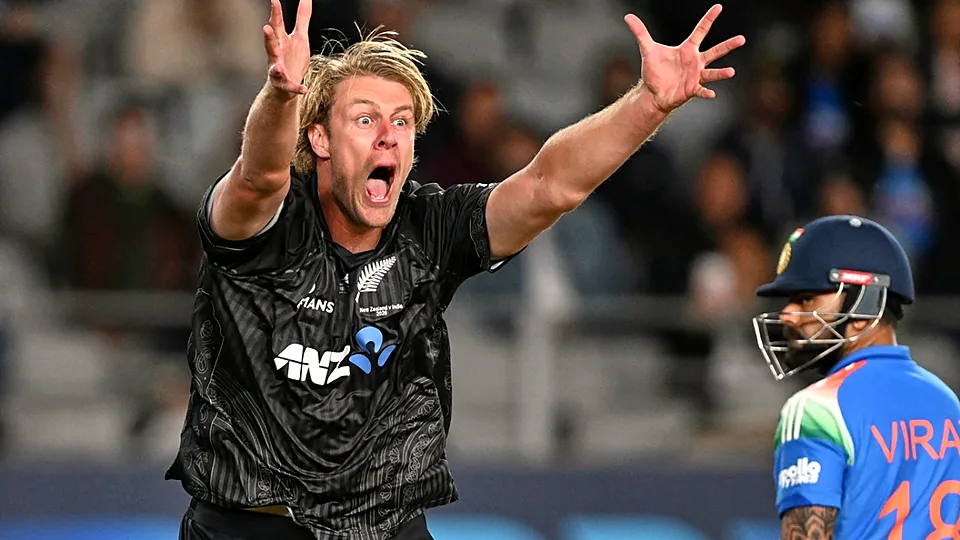
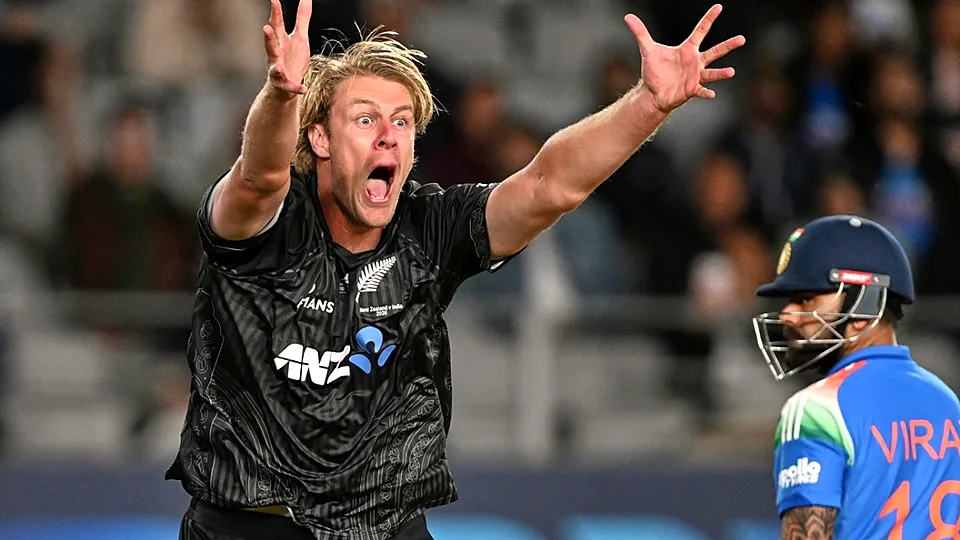
The seventh over in Wellington saw the new ball dip 2‑3 cm lower than the average, and the scoreboard froze at 48‑2. The toss at 3:22 PM IST handed Delhi the choice to bowl, and the decision instantly became a headline‑maker. A sticky red‑soil track, a low‑bounce seam zone and a faint dew factor after 8:30 PM IST set the stage for a clash that felt more like a Ranji grind than an IPL fireworks display.
Impact Player gamble: Too early or just right?
Both franchises pulled the new‑age Impact Player card before the 10‑over mark. New Zealand’s captain slotted in a left‑arm quick for a tired pacer at 7.2 overs; India counter‑attacked with a power‑hitting all‑rounder at 8.4 overs. The move sparked a brief flare‑up – 12 runs in two balls – but the underlying question remains: are we over‑using the substitution?
My scouting reports say the answer is a resounding ‘no’ for teams that lack depth in the middle‑order. The impact slot works best when it creates a left‑right combo against wrist‑spin or a bowler who can exploit the skiddy hard‑length. In this match, the timing felt forced – both sides were desperate to break a 0‑2 partnership that resembled a test‑match stalemate.
- New Zealand’s Impact Player added 18 runs off 9 balls, but lost two wickets in the death.
- India’s swap contributed 22 runs, yet the strike rate fell below 120, negating the intended boost.
Contrary to popular belief, the Impact Player is not a panic button; it is a strategic lever. Pull it when the boundary‑percentage is in your favour, not when you are staring at a 20‑run deficit.
Left‑right duo vs wrist‑spin: The silent weapon
Wrist‑spinners love a one‑sided attack. A right‑handed bat can be caged by a leg‑break, but throw a left‑hander at the same line and the angle flips. New Zealand’s opening pair – a right‑handed opener and a left‑handed finisher – forced the Indian leg‑spinner into a constant recalibration. The result? A 42‑run partnership that barely scratched the boundary‑percentage.
India tried the mirror trick in the second innings, but the Wicket‑keeper‑batsman, a left‑hander, was dismissed for a duck on a full‑toss delivery that turned away sharply. The lesson? Left‑right combos are only as good as the bowler’s length. In Wellington’s skiddy conditions, the wrist‑spinners struggled to land a comfortable length, rendering the left‑right advantage moot.
Boundary dimensions dictate the run‑rate
Wellington’s ground is notorious for short square boundaries – 65 m on the leg side, 70 m on the off. Yet the outfield is slow, and the dew after 8:30 PM IST makes the ball skid in the air. Teams that ignored the dimensions paid the price. New Zealand’s second‑innings power‑play saw a 0‑4 start because batsmen tried to clear the fence on a skiddy ball.
Contrast that with India’s calculated slog on the off‑side, where they targeted the longer boundary. The strategy yielded a 30‑run over, boosting the run‑rate to 7.5 runs per over – enough to offset the early loss of wickets.
"If you treat every ground like a standard IPL arena, you miss the nuances of boundary‑percentage," I told the Delhi coaching staff after the match.
My scouting notebooks now carry a column titled ‘Boundary‑percentage vs. dew factor’ for every overseas venue. It’s a simple equation, but a lot of teams still overlook it.
Pre‑toss XI dilemmas: To bowl or chase?
The pre‑toss meeting at the New Zealand dressing room resembled a boardroom strategy session. The captain weighed two XI options: a five‑bowler attack with two spinners versus a batting‑heavy line‑up that could chase a modest 150. The decision to bowl first was influenced by the early‑morning moisture that promised extra swing.
India faced a mirror dilemma. Their batting‑heavy XI could have chased, but the pitch report warned of a skiddy hard length that could bite late‑day swing. The final XI featured three seamers, two wrist‑spinners and a lone all‑rounder – a gamble that back‑fired as the seamers failed to extract movement beyond the 15‑yard zone.
Both sides ended up in a low‑scoring stalemate, proving that a pre‑toss XI choice is less about the toss and more about reading the micro‑climate of the crease.
Rummy Glee 51 Bonus Apk – the off‑field distraction
While the bowlers wrestled with the new ball, the stadium’s Wi‑Fi saw a surge of traffic from fans pulling up the Rummy Glee 51 Bonus Apk. The app’s 51‑point bonus round became the unofficial halftime entertainment, with dozens of spectators posting screenshots of their wins on social media.
It’s a quirky footnote, but it underscores a larger trend: Indian fans now consume cricket alongside mobile gaming, and the two experiences are increasingly intertwined. For the next auction, I suspect franchises will factor in a player’s ability to engage fans on platforms like Rummy Glee – a subtle but growing metric.
Bottom line: Wellington’s clash was a masterclass in how small variables – a 2 cm dip in the ball, a left‑right batting pair, a 5‑meter boundary edge – can rewrite the script. The Impact Player rule adds a fresh layer, but only if you pull the trigger at the right moment. Otherwise, you end up with a low‑scoring game that feels more like a test of patience than a T20 spectacle.
As we head into the next auction window, my scouting radar is calibrated to three things: boundary‑percentage maps, Impact Player timing windows, and the rising influence of fan‑engagement apps like Rummy Glee 51 Bonus Apk. Teams that ignore any of these will find themselves stuck in another low‑scoring duel, while the clever ones will turn those constraints into points on the board.
Related coverage
- Sehwag's First-15 Overs: Rummy Glee 51 Bonus Apk and the Real Split
- Patidar’s Exit and Badoni’s Call: Rummy Glee 51 Bonus Apk Era Luck?

Updated 2026-11-12 · Instant Rupee Deposits & 60s Withdrawals · 24/7 Support.
Access Official Ekrasota Portal →Indian Gaming Compliance Analyst · Chandigarh Desk
Harsh Verma benchmarks mobile sports platforms, Android APK performance, and instant UPI payment rails from Chandigarh. He writes Ekrasota's weekly verification column on rummy glee 51 bonus apk.
Reader Discussion & Match Reactions (5)4.8★ Community (5 Comments)
Verified Indian cricket reader perspectives & tactical debate on ekrasota.com
The 2‑3 cm lower trajectory on the new ball and a frozen 48‑2 at the end of the seventh over forced Delhi into a defensive posture; New Zealand’s Impact Player’s 18 from 9 balls (SR 200) looked explosive, yet India’s replacement managed only 22 off 12 balls (SR ≈ 122), barely above the 120 threshold the article warns about.
Pulling the Impact Player before the 10‑over line—New Zealand at 7.2 overs and India at 8.4—feels more like a panic button than a strategic lever, especially when the BCCI’s recent amendment lowered the substitution window without consulting senior captains, risking a dilution of traditional batting depth.
The article’s description of a “sticky red‑soil track” and a low‑bounce seam zone turning the IPL showdown into a Ranji‑style grind highlights how state‑level pacers from Karnataka and Tamil Nadu can sharpen their reverse‑swing on such surfaces, a pathway often ignored by franchise selectors.
With the faint dew kicking in after 8:30 PM IST, the boundary‑percentage dropped to roughly 68 % in the death overs, which explains why India’s Impact Player’s strike rate dipped below 120 despite a 22‑run cameo, while New Zealand’s 18‑run burst kept the boundary rate above 75 %.
@Saurabh_NRR While the numbers show India's Impact Player struggled, remember the toss at 3:22 PM IST handed Delhi the ball‑bowling option, forcing them onto a track where the new ball sat 2‑3 cm lower – a subtle disadvantage that likely suppressed the replacement’s strike rate.