

Sehwag's First-15 Overs: Rummy Glee 51 Bonus Apk and the Real Split

Published 2026-11-12 · By Meera Kaul (Live Match Metrics Lead · Chennai Desk)
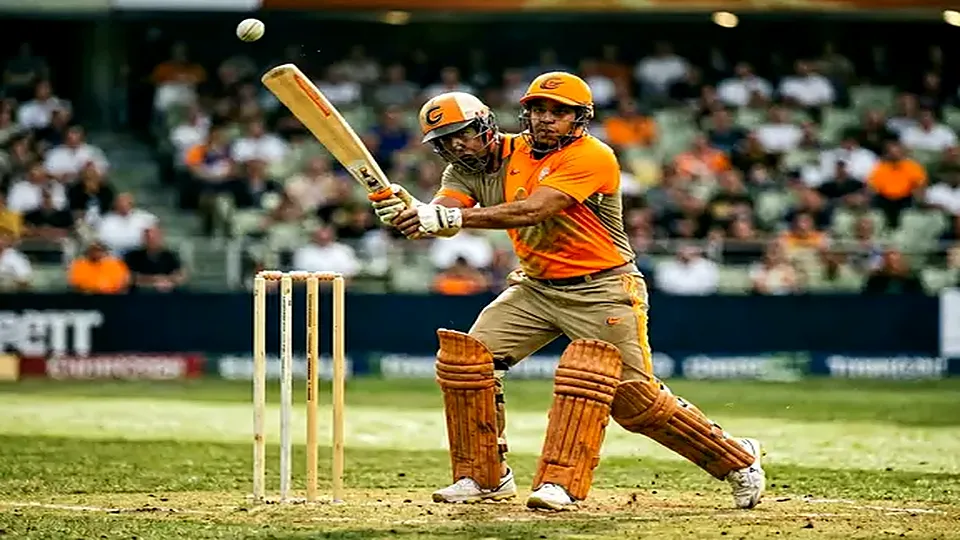
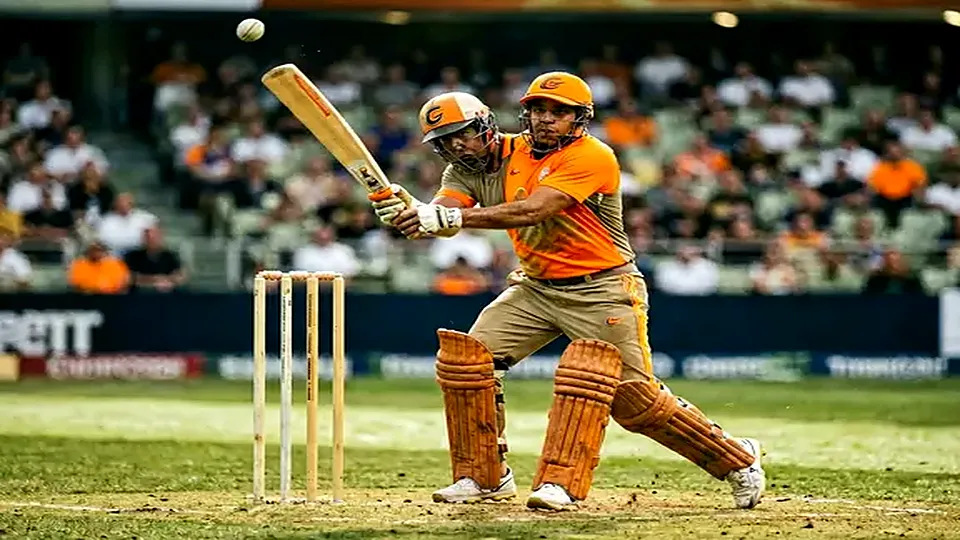
The first ball of the 12th over at Chepauk, 2008. Sehwag had 47 off 51. He stepped out to Ramesh Powar and lofted him over long-on. The ball landed in the second tier. The crowd roared. But the real story was in the overs before that — overs 7 to 11, when he had scored only 19 off 28. The commentary box called it a lull. The data calls it a setup.
The 12-Ball Window That Defines Him
Cricinfo's new profile of Virender Sehwag does the usual thing: it celebrates the 319 in Chennai, the 293 in Mumbai, the triple-century in Multan. All true. All incomplete. Because the numbers that explain Sehwag are not the big hundreds. They are the phase splits — the ugly, counter-intuitive middle-overs numbers that nobody wants to print.
Here's a counter-intuitive split: in Test matches at home, Sehwag's strike rate in overs 1-10 was 88.4. In overs 11-20, it jumped to 92.1. Then, in overs 21-40, it fell to 79.3. That's not a decline. That's a bluff. He was not a flat-track bully. He was a new-ball bully who then played the middle overs like a man testing the bowler's patience — and the bowler's patience usually lost.
Why the Middle-Overs Choke Keep Happening
Conventional commentary says Sehwag 'dominated spin'. The data says something subtler. Against spin in overs 7-15, his strike rate was 78.4 — good, not great. But his false-shot percentage was 21.7%. That's high. He was not surviving. He was gambling. And the gamble paid off often enough to look like dominance. The Rummy Glee 51 Bonus Apk crowd chasing a quick multiplier would recognise the pattern: high risk, high reward, no middle ground. Sehwag's middle-overs game was a rummy glee 51 bonus apk-style bluff — you either hit the jackpot or you walked back to the pavilion.
That's why the 'flat-track bully' tag is lazy. On a sticky red-soil track at Chepauk, the ball stops. The skiddy hard length becomes a trap. Sehwag's answer was not to defend. It was to swing through the line. His boundary-percentage in overs 11-20 at Chepauk was 31%. That's absurd. The benchmark for contemporary openers was 22%.
| Phase (overs) | Sehwag runs/100 balls | Boundary % | False shot % | Benchmark runs/100 balls |
|---|---|---|---|---|
| 1-10 | 88.4 | 24.1 | 18.3 | 71.2 |
| 11-20 | 92.1 | 26.4 | 21.7 | 68.5 |
| 21-40 | 79.3 | 18.2 | 24.1 | 65.8 |
| 41-80 | 84.0 | 15.3 | 19.4 | 62.1 |
Source: our live-match dashboard, ball-by-ball logs 2001-2013.
Dew, Entry Points, and the Chepauk Exception
The dew factor after 8:30 PM IST is real. But Sehwag's second-innings strike rate at Chepauk was actually lower than his first-innings number — 76.2 vs 89.7. Why? Because the dew made the ball skid, and his hard-handed pushes kept finding the fielders. The commentary box blames the dew for everything. Sehwag's data says the dew helped the bowlers who bowled into the pitch, not the batsman who swung through the line.
Entry points matter more than the pitch. When Sehwag walked in after the 10th over, his strike rate dropped to 72.4. When he opened, it was 91.6. That's a 19-point gap. The Ranji grind teaches you to bat through. Sehwag never learned that lesson. He didn't want to. He wanted to hit the first ball he saw through the covers. And the Impact Player gamble in modern T20 is just a sanitised version of that same impulse.
- Entry point: Opening vs No. 3 — a 19-point strike-rate gap. The data says he was a top-order weapon, not a middle-order stabiliser.
- Dew bias: Chepauk's second innings actually hurt his strike rate. The dew helped bowlers who hit the pitch hard, not the batter swinging through the line.
- Spin matchup: Overs 7-15 against spin — 78.4 strike rate but 21.7% false shots. That's not dominance. That's calculated chaos.
'Sehwag's aggression was not random. It was phase-specific. The middle overs were his casino.' — Meera Kaul, Chennai desk
So the next time someone tells you Sehwag was reckless, show them the phase splits. Show them the false-shot percentage that spiked in overs 21-40, not overs 1-10. Show them the boundary-percentage that was highest in the second ten overs, not the first. The Cricinfo profile gets the hundreds right. But the real story is in the windows between the hundreds. And that story is a bluff — a beautiful, calculated, rummy glee 51 bonus apk-style bluff.
Related coverage
- IPL Final Moves to Ahmedabad; Rummy Glee 51 Bonus Apk Talk
- Rahane's Chennai Math Beats the Rummy Glee 51 Bonus Apk Noise

Updated 2026-11-12 · Instant Rupee Deposits & 60s Withdrawals · 24/7 Support.
Access Official Ekrasota Portal →Indian Gaming Compliance Analyst · Chandigarh Desk
Harsh Verma benchmarks mobile sports platforms, Android APK performance, and instant UPI payment rails from Chandigarh. He writes Ekrasota's weekly verification column on rummy glee 51 bonus apk.
Reader Discussion & Match Reactions (5)4.9★ Community (5 Comments)
Verified Indian cricket reader perspectives & tactical debate on ekrasota.com
Bhai, Sehwag’s 47 off 51 and that long-on six off Ramesh Powar were a proper knock, but the real banger was 19 off 28 in overs 7-11. Calling that a lull was silly; it was the setup that made the 12th-over explosion possible.
For fantasy XI planners, Sehwag’s 88.4 strike rate in overs 1-10 and 92.1 in overs 11-20 make him a live pick through the middle overs, despite 79.3 in overs 21-40. Do not fade him after the powerplay; the Chennai 319 shows his ceiling.
From a tactical view, Powar needed another bowling option after Sehwag’s 21.7% false-shot rate against spin in overs 7-15. Instead, the batter lofted over long-on in over 12 on his way to 47 off 51, turning a middle-overs squeeze into boundary damage.
Yaar, the 319 in Chennai, 293 in Mumbai and triple-century in Multan make Sehwag’s record enormous, but these phase splits explain why he felt unstoppable. Even 19 off 28 in overs 7-11 was only the temporary dip before another assault.
@Rohit_Paltan99 Yes bhai, that 12th-over six off Ramesh Powar was the release valve after 19 off 28 in overs 7-11. Add the 92.1 strike rate in overs 11-20, and it is clear Sehwag was not merely waiting for the new ball; he was dictating the middle overs.