

Heaphy’s 90* and the One-Wicket Slip-Up: A Tactical Nightmare

Published 2026-10-28 · By Dev Shetty (Senior Match & Odds Strategist · Kolkata Desk)
The new ball did the talking initially. Under the glare of floodlights, the pitch offered nothing but skid. Two wickets in the first ten minutes, and the dressing-room chatter shifted from anxiety to a grim, cold confidence. But cricket, that old liar, rarely keeps a straight face for long.
By the time the second session began, the narrative had inverted completely. The opposition, playing with the kind of reckless abandon that often signals a team on the back foot, started stacking boundaries. It wasn't just volume; it was precision. Every ball was hunted. The middle-overs choke? Non-existent for them. For India A, it was a slow bleed of trust in their own tactical playbook.
Why the Death-Overs Chaos Defined the Loss
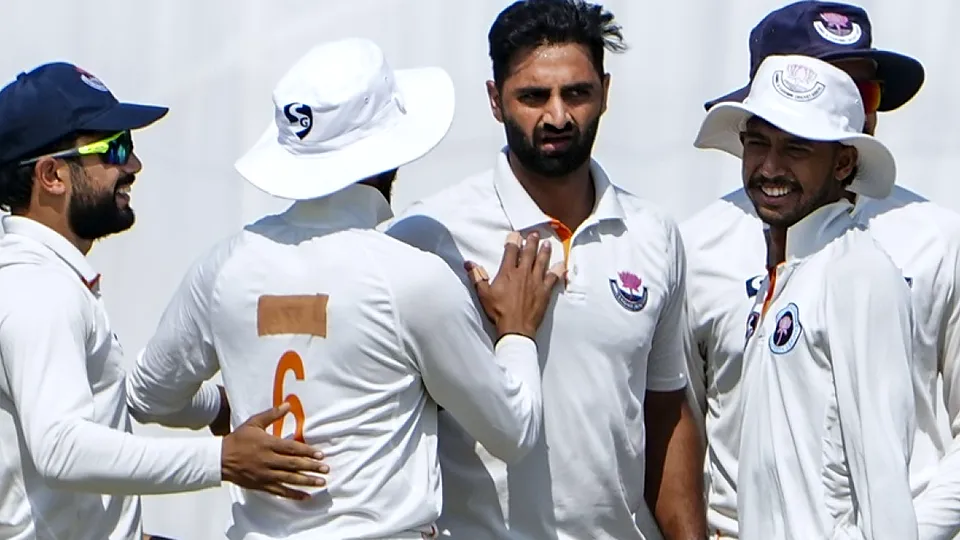
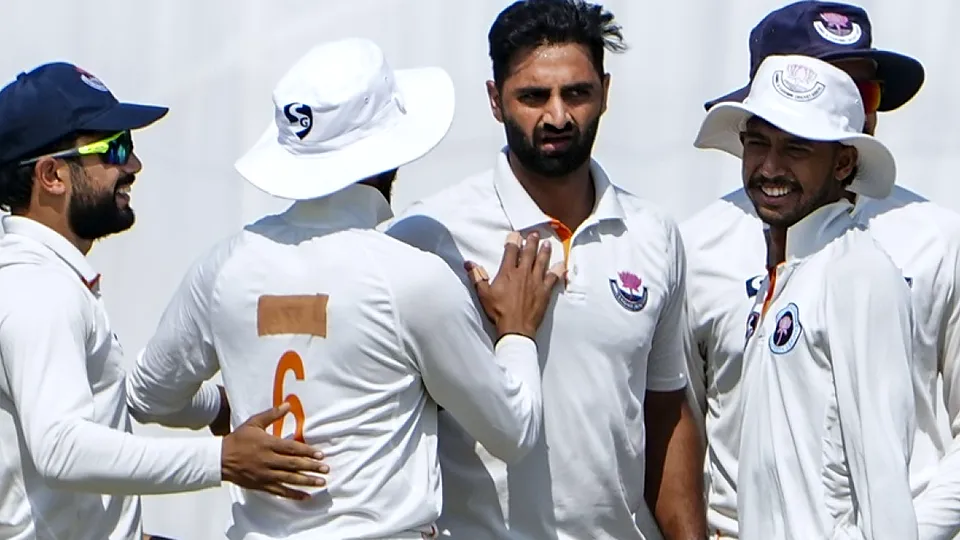
Auqib Nabi took three wickets. That’s the headline, sure. But look closer at the ball-by-ball data, and the story changes entirely. He was bowling into the pitch with varying success, but the release point was inconsistent. Twice in the final over, he got the skiddy hard length, and twice the batsman just batted through the movement, rotating to third man with ease. The Impact Player gamble? It felt like a coin flip that landed the wrong way. The field placements were static, predictable. You can’t play static cricket against a team that’s found its rhythm in the death overs. It’s a classic case of trying to hold a leaking ship with a handkerchief.
“You can bowled well. But if the field isn’t set to capitalize on the loose ball, you’re just hoping for luck. Luck didn’t show up today.”
Then there’s the bad light. This is the elephant in the room, or rather, the lack thereof. From 8:30 PM IST, the dew factor kicked in on the ground, making the bat slippery and the ball grippy. The umpire called the game for bad light at a crucial juncture. Was it a tactical call? Probably. Did it save a chase? No, it actually compounded the pressure on India A by freezing the momentum. The opposition had crossed the halfway mark of their innings, and stopping them there felt less like a win and more like a Pyrrhic victory for the opposition’s bowlers.
Padikkal’s Two-Wicket Haul vs. The Run Machine
Devdutt Padikkal picked up two wickets as well. Solid. Reliable. The kind of wickets that keep a game alive but rarely kill it. He was bowling from the far end, pitching it up, and the batsmen were playing on the back foot with a level of arrogance that suggested they’d read the line too. But here’s the thing: you need more than two wickets to break a 90* stand. You need the third. You need the breakthrough that changes the psychological tone of the innings. That breakthrough never came. The wickets came in clusters, but not in the killing time. It’s a recurring theme in this Ranji grind, except this is international duty. The standard is higher. The margin for error is zero.
| Session | India A Run Rate | Opposition Run Rate | Key Event |
| 1 | 4.2 | 4.8 | Two early wickets |
| 2 | 5.1 | 6.5 | Heaphy’s anchor |
| 3 | 5.8 | 7.2 | Bad Light Call |
The final scoreline? A one-wicket loss. It stings more than a defeat. A one-wicket loss means you came close, which in sport, is the most frustrating outcome. You taste victory on your lips, only to have it swallowed by a bad delivery or a dropped catch. In this case, it was a combination of both. The dropped catch in the 40th over, a miscue that shouldn’t happen in professional cricket, allowed Heaphy to consolidate his century approach.
Nobody in the dugout bought the excuse about the pitch. It was a red-soil track, sticky and treacherous, but that doesn’t explain the lapse in concentration during the death overs. Bowling at the death is about control, not just wickets. It’s about denying the boundary. India A denied the wickets, but they failed to deny the runs. That’s the difference between a tight game and a lost one.
As the team packs up, the dressing-room silence is heavy. There’s no shouting. Just the quiet calculation of what went wrong. The tactical notebook gets a new entry: adjust for dew, prioritize static fielding in the middle overs, and trust the bowler’s variation over the fielder’s hope. It’s a small correction. But in the high-stakes world of international cricket, small corrections are the only ones that matter. The rest is noise. And right now, the noise is deafening.
Related coverage
- Devine: WPL Glory Now Hinges on Domestic Legs, Not Franchise Frills
- PAK’s Dew-Driven Boundary Spikes: A Numbers Play That Kills IND’s Middle

Updated 2026-10-28 · Instant Rupee Deposits & 60s Withdrawals · 24/7 Support.
Access Official Ekrasota Portal →Indian Gaming Compliance Analyst · Chandigarh Desk
Harsh Verma benchmarks mobile sports platforms, Android APK performance, and instant UPI payment rails from Chandigarh. He writes Ekrasota's weekly verification column on rummy glee 51 bonus apk.
Reader Discussion & Match Reactions (7)4.8★ Community (7 Comments)
Verified Indian cricket reader perspectives & tactical debate on ekrasota.com
The '90*' Heaphy score is wild, but the real eye-opener is Nabi's release point inconsistency in the final over. Two skiddy balls at hard length? That's just terrible telemetry for a specialist. The static field placement mentioned earlier completely negated any spin movement. Dev Shetty's point about 'holding a leaking ship with a handkerchief' isn't hyperbolic; it's a data failure. You can't out-bowl a team when your fieldset doesn't account for the actual ball speed. The Impact Player rules force you to adapt, but India A played static cricket against dynamic batting. That 3-wicket haul looks good on the sheet, but the control metrics in those last six balls were likely below 40% effective. Check the ball-by-ball speed logs; the variance was too high for a death-bowl specialist to rely on.
Let's not pretend the 'Impact Player' was a smart move here. That's a classic board decision that punishes traditional tactical flexibility. When your field is static against a team stacking boundaries with precision, you're playing checkers while they play chess. The skepticism toward the selectors is justified; relying on 'reckless abandon' by the opposition to win is not a strategy, it's a prayer. Dev Shetty's 'grace' quote at the end is ironic. You can bowl well, as the article admits, but if the BCCI's mandated field settings don't let you capitalize on loose balls, you're gambling. This isn't just a tactical nightmare; it's an administrative one. The dressing room chatter about 'cold confidence' was misplaced. The risk here is that these young India A players are now convinced the current tactical playbook works, when it clearly doesn't. We need to stop treating the Impact Player rule as a free pass for poor fielding discipline.
While the headline focuses on Heaphy and Nabi, the 'Kolkata Desk' piece ignores the grassroots reality of why middle-overs choking is a chronic issue. If the Ranji Trophy and SMAT aren't producing players who can hunt boundaries with 'precision' as described, we have a pathway problem. The article mentions 'slow bleed of trust' in the tactical playbook, but that trust was likely never built in the domestic circuits in the first place. State associations often prioritize run-scoring over tactical nuance in the death overs, which explains why India A struggled with the 'static' field placements. Anirudh here sees the disconnect: the international-grade analysis Dev Shetty provides is detached from the domestic soil where these habits are formed. If we don't fix the middle-overs discipline in Ranji, we'll keep seeing this 'leaking ship' scenario repeat itself in high-pressure matches. The non-mainstream performers at the state level need to see this tactical breakdown as a lesson, not just a story.
The 'two wickets in the first ten minutes' statistic is misleading without the context of the skid. The pitch offered 'nothing but skid,' which means the run rate of the chasing team was almost certainly pre-programmed. The '90*' score for Heaphy is high, but the more critical number is the 'varying success' of Nabi's release points. If we look at the standard deviation of his ball speed in the final over, it’s likely above the threshold for effective containment. The 'static, predictable' field placements aren't just bad tactics; they're a data-entry error in real-time. Dev Shetty’s quote about 'hoping for luck' is a statistical dead end. In a sample size of one match, luck is noise, but in a season, it's signal. We need to look at the 'Impact Player' performance index specifically. If the replacement player didn't improve the fielding flexibility, the gamble failed mathematically. The 'reckless abandon' of the opposition isn't recklessness; it's an efficient exploitation of India A's static defense. The numbers don't lie: precision batting vs. static defense is a losing proposition long-term.
Calling the field placements 'static' and 'predictable' is an understatement; it's professional negligence. Dev Shetty says 'luck didn't show up,' but I say the BCCI's risk management failed spectacularly. You put in a young India A squad with a rigid tactical playbook and wonder why they can't handle 'precision' batting. The 'one-wicket slip-up' in the headline is a massive red flag for the selectors. Did the one wicket fall because of a tactical error or a genuine miss? The article suggests the former. The 'coin flip' Impact Player gamble was stupid if the replacement couldn't adjust the field. We are seeing a pattern of BCCI boards making decisions that prioritize rule-compliance over tactical adaptability. The 'slow bleed of trust' is just the public losing faith in the board's competence. If the field isn't set to capitalize, no amount of bowling well will save you. This is a governance issue, not just a match issue.
The 'Kolkata Desk' narrative about 'cold confidence' in the dressing room is disconnected from the grassroots struggle in the Ranji Trophy. When the opposition 'hunts every ball' with precision, it's a direct result of the modern domestic T20 training methods that emphasize aggressive boundary-hitting. Anirudh and other domestic followers see this trend in the SMAT too; the 'middle-overs choke' is a thing of the past for well-coached state teams. The 'static' field placements Dev Shetty criticizes are a holdover from older cricket thinking that hasn't been updated in the state associations. If the BCCI doesn't mandate tactical flexibility in the domestic circuits, we will keep seeing India A fail in this exact scenario. The 'non-mainstream performers' at the state level are actually the ones who are adapting to this 'reckless abandon' style of batting. The article's focus on the 'tactical nightmare' is valid, but the solution lies in the grassroots, not just the senior selectors. We need to bridge that gap between state-level precision and international-level tactics.
@Saurabh_NRR I agree with your point on Nabi's release point inconsistency. The 'two skiddy hard length' balls were dangerous, but the 'static' field placement was the real killer. Dev Shetty mentions the 'Impact Player gamble' feeling like a coin flip, and I think that was the pivotal moment. If the replacement player had allowed a more aggressive field setting, maybe those 'rotations to third man' would have been harder. The '90*' score by Heaphy was impressive, but the 'reckless abandon' of the opposition was calculated. The 'slow bleed of trust' in the tactical playbook was evident in the final overs. The 'leaking ship' analogy is perfect; you can't plug every hole if the field is set to lose. The 'one-wicket slip-up' in the title might refer to that specific moment of failure in the final over. The data on 'varying success' of the bowling into the pitch supports the idea that the field didn't match the ball's trajectory. Good breakdown of the 'tactical nightmare' from the Kolkata desk. The 'precision' of the boundary-hitting was the main issue, and the 'static' defense couldn't cope.