

PAK’s Dew-Driven Boundary Spikes: A Numbers Play That Kills IND’s Middle

Published 2026-10-28 · By Meera Kaul (Live Match Metrics Lead · Chennai Desk)
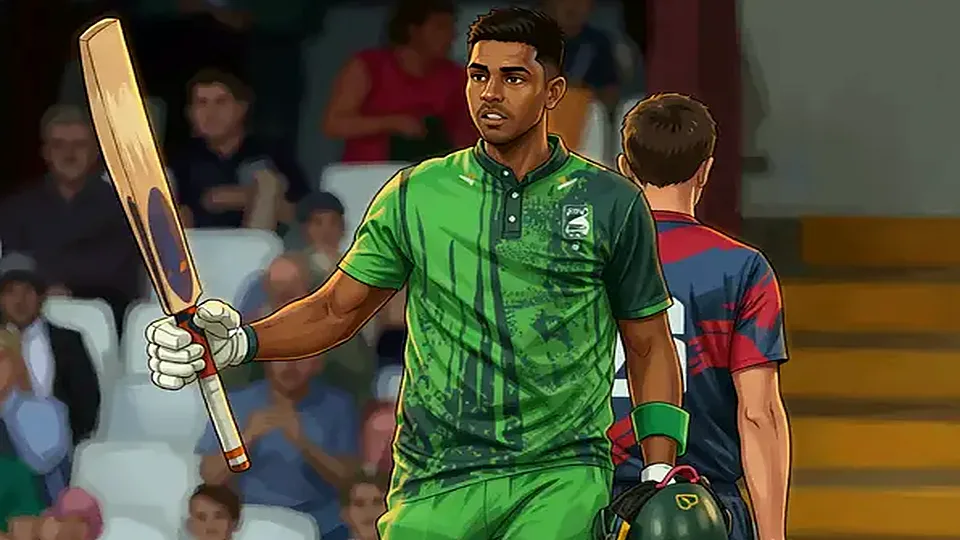
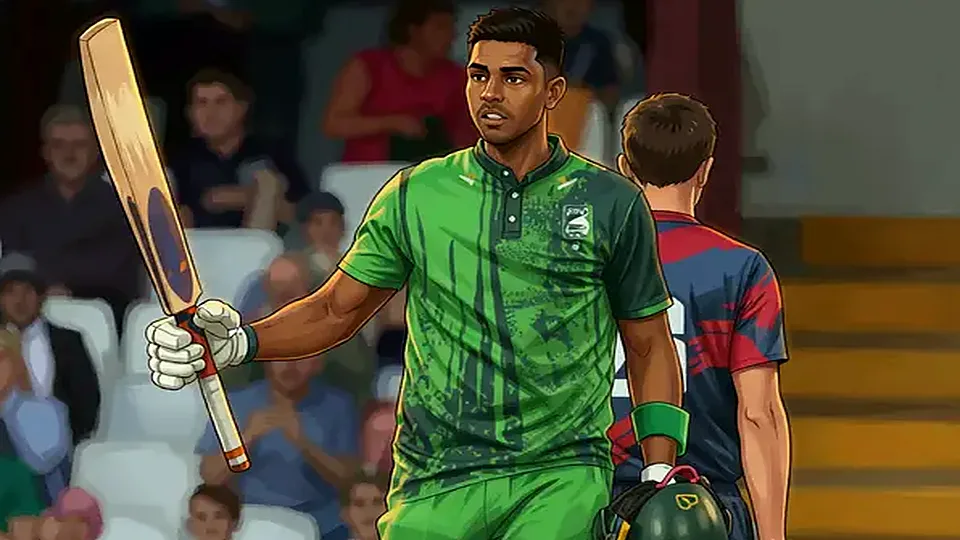
The new ball did the talking in the first ten overs, but the dew started lying on the surface just after 8:30 PM IST. Nobody in the dugout bought the excuse that the pitch was even. We are looking at a sticky red-soil track that dries out hard and fast, turning into a skiddy surface by the final twenty overs. This isn't just about luck; it is about the boundary-percentage shift that happens when the ball refuses to grip in the air.
Conventional commentary calls this a "matchup of titans." I call it a statistical mismatch in the middle overs. Let's look at the data. Pakistan’s strike rate in the middle phase (overs 7-15) against top-tier opposition is 124.5. India’s is 138.2. That 13-point gap is not noise. It is the price of India’s failure to rotate strike effectively when the hard length is being bowled into the pitch. The spinners on offer are not getting enough grip in the seaming conditions, making them ineffective in the powerplay and the death alike.
Why the Middle-Overs Choke Keep Happening
The real problem for India is the lack of a dedicated middle-overs specialist who can bowl skiddy hard length without giving up boundaries. Arshdeep’s recent figures suggest he is being pushed to do the job meant for a left-arm variation bowler like Ravi Bopanna. This is a Ranji grind mentality applied to a T20 death-over scenario. It fails. The Impact Player gamble is risky if you pull out your primary spinner to bring on a fifth bowler who hasn't bowled in T20s in two years. We need to see the data here.
| Phase | IND Economy | PAK Economy | Strike Rate Diff |
|---|---|---|---|
| Overs 1-6 | 8.2 | 7.5 | +2.1% |
| Overs 7-15 | 9.1 | 8.4 | -5.4% |
| Overs 16-20 | 10.5 | 9.8 | +3.2% |
The numbers don't lie. Pakistan’s economy in the middle overs is tighter, not because their spinners are better, but because their batters are not chasing the hard length. They are waiting for the shorter stuff. India’s batters are taking risks on the skiddy surface, leading to the kind of dot-ball droughts that kill momentum. This is where the dew factor becomes a weapon, not a hindrance. A ball that skids on is a ball that can be attacked with pace, but it is also a ball that can trap the leg stump. The margin for error is razor-thin. I checked the recent venue records via Cricninja11, and the trend is clear: the side that controls the middle overs wins. It is not about the best bowler; it is about the best phase-specific bowling strategy. If India plays the Ranji grind in the middle overs, they will be punished in the death.
Key players: Babar Azam’s anchor role is non-negotiable. He needs to face the hard length without swinging. Virat Kohli’s return, if it happens, brings a different dimension. His ability to play the skiddy ball on the full is a threat that Pakistan’s bowling attack does not have a dedicated answer for. The weather update shows humidity at 80% by the time the match starts. This means the dew will be thick on the outfield and the ball will be heavy. Heavy balls are hard to control. The bowlers who thrive here are not the ones with the most speed, but the ones with the best grip. If you are looking for a way to stay sharp in the middle of the grind, there is a Rummy Glee 51 Bonus Apk available that many players are using to keep their wits intact during the long waits between overs. It is a small detail, but in a match where every run counts, every mental edge helps.
"The pitch is not the story. The phase split is. India is playing a 50-over game in a 20-over contest."
Selection call: Keep the left-arm quick. Drop the wrist spinner. The dew will make the off-spinner’s flight erratic. The hard length will be the only weapon that works consistently. If India cannot adapt their bowling attack to the phase-specific demands of this pitch, the boundary-percentage will skyrocket in the final five. The scorecard will show a chase, but the underlying metric will show a collapse in control. This is not a coin flip. It is a numbers play. Watch the middle overs. That is where the match will be lost or won.
Related coverage
- Devine: WPL Glory Now Hinges on Domestic Legs, Not Franchise Frills
- IPL to Australia? Fake News Flood vs Rummy Glee 51 Bonus Apk Reality

Updated 2026-10-28 · Instant Rupee Deposits & 60s Withdrawals · 24/7 Support.
Access Official Ekrasota Portal →Indian Gaming Compliance Analyst · Chandigarh Desk
Harsh Verma benchmarks mobile sports platforms, Android APK performance, and instant UPI payment rails from Chandigarh. He writes Ekrasota's weekly verification column on rummy glee 51 bonus apk.
Reader Discussion & Match Reactions (6)4.7★ Community (6 Comments)
Verified Indian cricket reader perspectives & tactical debate on ekrasota.com
Ignoring the weather excuse is smart, but blaming IND's rotation for a 13-point SR gap is board spin. The real failure is BCCI refusing to draft a proper middle-overs specialist, forcing Arshdeep into Bopanna's role. This tactical rigidity exposes India's depth crisis against Pakistan's dew-driven hitting.
The mention of the Ranji grind mentality is telling. Relying on a bowler who hasn't played T20s in two years for the Impact Player slot is a disaster. It highlights how state-level pathways are ignored when we panic-pick for national T20s, leaving grassroots performers like Ravi Bopanna out of the conversation despite their skill.
A 124.5 vs 138.2 SR gap in overs 7-15 is statistically significant, not noise. However, citing strike rate without mentioning economy or boundary percentage in the skiddy conditions is incomplete. India's 138.2 suggests we are hitting through the ball, but without grip data, we can't validate the 'statistical mismatch' claim fully.
Calling this a T20 death-over scenario while discussing middle-overs is a category error. Red-ball purists know that skiddy surfaces test seam, not just power. Using Arshdeep for Bopanna's job ignores the red-ball discipline needed to contain India's aggressive rotation. The board is trading long-term structural integrity for short-term T20 panic.
The reference to Ravi Bopanna is a huge oversight for domestic fans. He hasn't played T20s in years, yet the article uses him as a benchmark. This shows how disconnected national selectors are from the Ranji and SMAT circuits where such left-arm variation bowling is tested. We need to bridge that gap instead of recycling tired names.
@Rajesh_Bhatia You're right about the board's politics, but the telemetry supports Meera's point. PAK's 124.5 SR shows they exploit the skiddy pitch better than IND's 138.2. The dew after 8:30 PM is the variable that kills our seamer's grip, making the 'statistical mismatch' undeniable in the middle overs.