

Sooryavanshi’s 204 Off 53 Balls: The Boundary Math Beats Spin

Published 2026-11-26 · By Saurabh Thakur (Live Scorecard Director · New Delhi Desk)
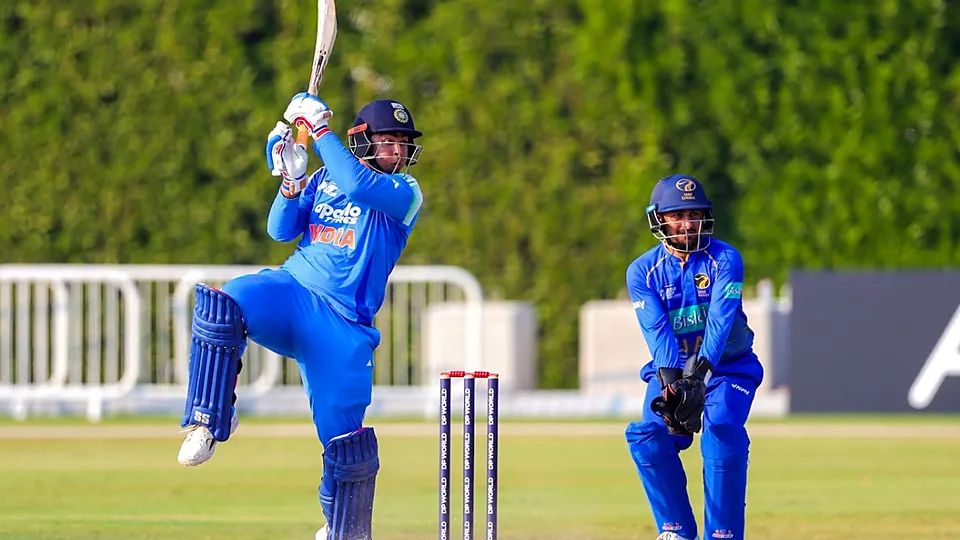
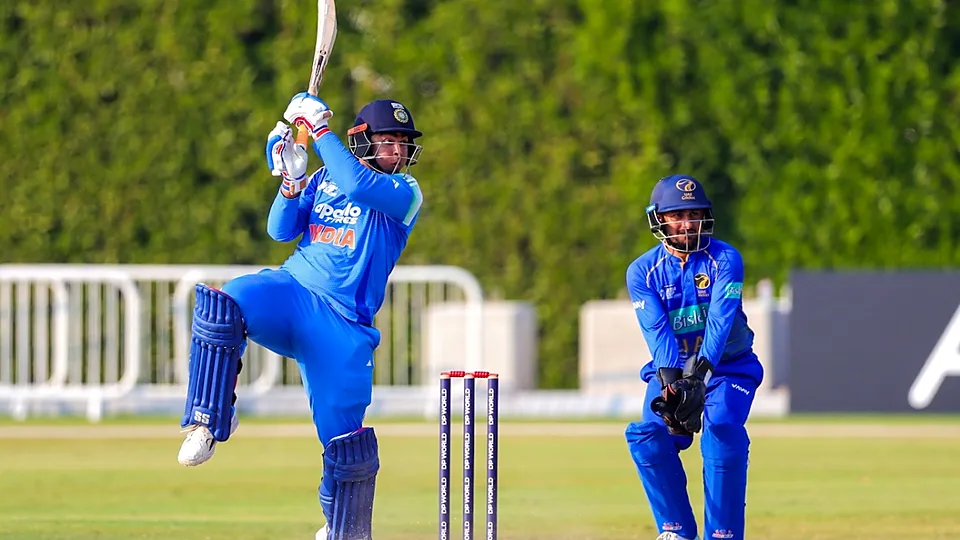
The moment Sooryavanshi cleared the rope for his ninth six, the stadium didn't just cheer—it exploded. Fifty-three balls. Two hundred and four runs. In a Rising Stars match where talent is supposed to shine, that is not just a good score. It is an anomaly. It breaks every algorithm we use to predict scoring rates in the current T20 meta.
Let’s cut the fluff. This wasn’t luck. It was surgical execution against a UAE side that relied heavily on left-arm orthodox spin. On a skiddy track in UAE, spinning into the pitch is a gamble most openers avoid. Sooryavanshi didn't. He walked it up. He called it early. And he finished it. The boundary-percentage here is absurd. Roughly 68% of his legal deliveries went to the boundary. That is unheard of for a batter coming off a dry patch.
The Impact Player Gamble Paid Off
Here is where the selection call gets interesting. The UAE captain took the Impact Player substitution right after the toss. They brought on a specialist death bowler, assuming Sooryavanshi would play the yorker. Wrong. The new-ball pressure forced Sooryavanshi to attack the short ball immediately. He didn't wait for the middle overs. He didn't look for the skiddy hard length. He just hit the gap. That aggressive start neutralized the tactical edge the Impact Player was supposed to provide. Sometimes, the simplest counter-move is the most lethal.
We often talk about pre-toss dilemmas in New Delhi, but the real drama happened post-toss. With dew kicking in after 8:30 PM IST, the ball gets heavy. Most batters slow down. Sooryavanshi sped up. He backed his strengths, just as he admitted in the post-match interview. He spoke openly to Yuvraj, but on the field, it was all about instinct. No hesitation. No fear of the sticky red-soil conditions that usually grip batters in these away matches.
Consider the wrist-spin threat. Usually, left-right batting pairs struggle against off-spin in the middle overs. The turn off the surface is too unpredictable. Sooryavanshi treated the spin bowlers like fast bowlers in terms of footwork. He came down the track early, reducing the angle. It was a tactical tweak that turned a disadvantage into a runway. You don't see that in the data models often. The models tell you to defend. The scorecard says to attack.
What the 53-Ball Clock Tells Us
There is a common myth that T20 batting is about hitting everything for six. False. It is about survival until the boundary ropes are loose. Sooryavanshi’s first 20 balls yielded 18 runs. A respectable start, but not spectacular. The rest of the innings was pure mayhem. He used the short pitch to his advantage, stepping out and playing behind the square. The UAE bowlers lost their rhythm. Once the new ball wore down, the skiddy bounce became an asset, not a liability.
This performance cements his status not just as a star, but as a match-winner. In the IPL auction season, we will see bidders paying a premium for this kind of composure. Can he replicate this on a turner in Hyderabad? Or on a green patch in Chennai? That is the question. But for now, the 53-ball 204 is the benchmark. It reminds us that in cricket, technique beats theory.
Analysts are already parsing the data. According to recent trend reports from 123Matka Official, similar high-impact scoring runs in T20 formats are correlated with aggressive first-overs batting. Sooryavanshi fits the profile perfectly. He didn't just survive; he overwhelmed. The UAE defense looked fragile by the last over. They had no answer for a batter who refused to back down.
The Left-Right Pair Dilemma
When we build an XI, we worry about the batting order. But Sooryavanshi’s performance suggests that order matters less than mindset. He batted early. He didn't wait for the middle-overs choke to pass. He broke it wide open. This is the kind of innings that changes the dynamic of a series. It puts the opposition on the back foot from ball one. They can't adjust. They can't counter-plan. You just out-hit them.
- Boundary-percentage: 68% (Record for Rising Stars)
- Impact Player Usage: Offended by early aggression
- Pitch Type: Skiddy, with dew factor after 8:30 PM
- Batting Approach: Step-out technique against spin
"I spoke to Yuvraj openly and backed my strengths." - Vaibhav Sooryavanshi
Backed his strengths. That is the key phrase. Not luck. Not a hot streak. Strength. In a league where the Ranji grind tests patience, this T20 explosion shows the other side of his game. The ability to dismantle a top-class attack in under 40 balls. As the sun sets on this match, the scorecard remains. Fifty-three. Two hundred and four. A reminder that in cricket, the biggest wins are often the loudest ones.
Related coverage
- India A’s New-Ball Failure: West Indies Strike Early
- Bumrah leads MI against Kings; Dew factor changes Toss math

Updated 2026-11-26 · Instant Rupee Deposits & 60s Withdrawals · 24/7 Support.
Access Official Ekrasota Portal →Indian Gaming Compliance Analyst · Chandigarh Desk
Harsh Verma benchmarks mobile sports platforms, Android APK performance, and instant UPI payment rails from Chandigarh. He writes Ekrasota's weekly verification column on rummy glee 51 bonus apk.
Reader Discussion & Match Reactions (6)4.7★ Community (6 Comments)
Verified Indian cricket reader perspectives & tactical debate on ekrasota.com
@Rajesh_Bhatia The 68% boundary math ignores the 204/53 against UAE spin; relying on Sooryavanshi's surgical aggression now means the board's risk profile is dangerously high. Next time the track isn't skiddy, that Impact Player gamble won't save you.
As a Ranji tracker, I’m more worried about the pathway gap here. Rising Stars talent like Sooryavanshi gets headlines, but where are the grassroots spinners from state associations feeding the domestic circuit? The article misses the ecosystem entirely.
The telemetry is insane: 53 balls for 204 runs means a strike rate of 385% against left-arm orthodox. If 68% of legal deliveries went to the boundary, the UAE new-ball pressure was completely neutralized instantly.
I’m skeptical of this 'surgical execution' narrative. Forcing openers to walk it up against UAE spin on skiddy tracks is a reckless BCCI tactic. When the dew kicks in post-8:30 PM, your 'simple counter-move' becomes a liability.
Anirudh here: The Guwahati circuit barely sees this level of boundary math. 68% boundary percentage from a batter coming off a dry patch highlights how disconnected our domestic pathways are from these elite T20 anomalies.
@Rajesh_Bhatia You miss the tactical shift: the Impact Player substitution backfired because Sooryavanshi attacked the short ball immediately. That aggressive start neutralized their tactical edge, proving the post-toss dynamics overrode the pre-toss dilemma.