

Yadav: WPL Has Filled The Void Left By Domestic Gap, Says Telangana Star

Published 2026-11-25 · By Sakshi Desai (WPL & Franchise League Columnist · Bengaluru Desk)
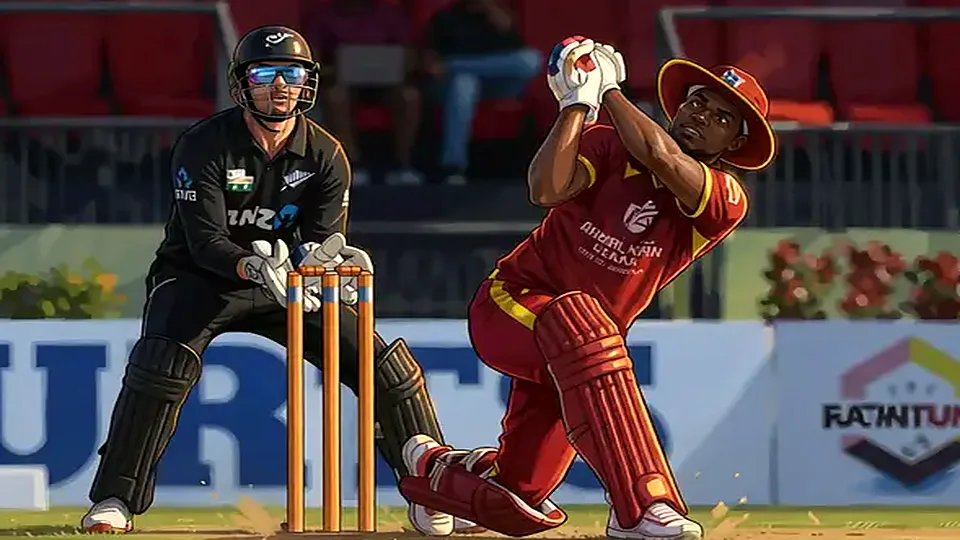
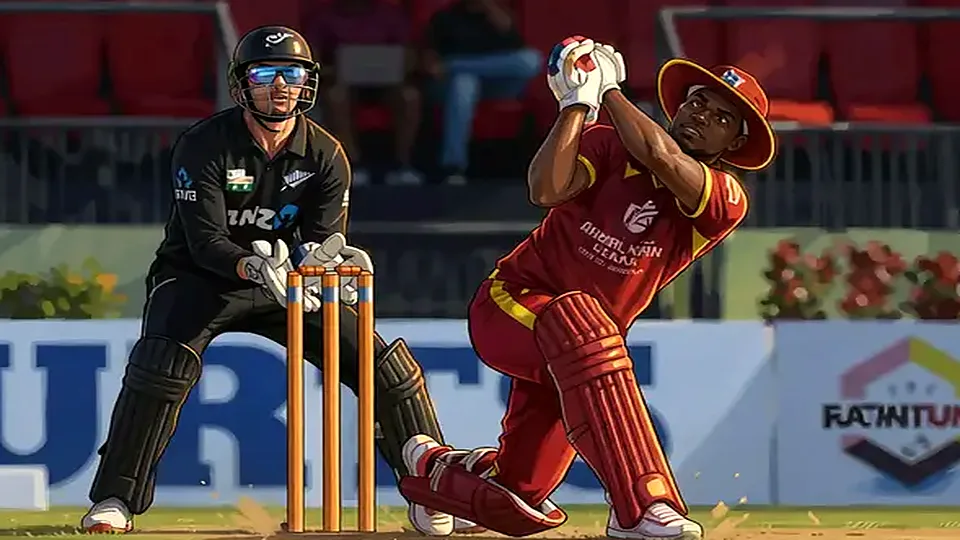
The dew at Chinnaswamy started settling at 8:45 PM IST, making the ball skiddy and unpredictable. It was a condition most international stars dread, but for the young Indian batters stepping into the fray last season, it was a survival test. Radha Yadav didn't just survive; she thrived. Now, looking back from her Bengaluru desk perspective, the Telangana all-rounder believes the Women’s Premier League (WPL) has fundamentally altered the trajectory of Indian women’s cricket. The gap? It’s gone. Or at least, the distance between the dusty Ranji-grade grind and the polished, high-stakes international arena has shrunk to almost nothing.
The Death of the 'Domestic' Safety Net
For years, Indian women’s cricket lived in two parallel worlds. You had the state associations, the long, slow domestic circuits where a 30-run score was a badge of honor if the pitch was sticky. Then, you had the internationals, a world of green turf, new balls, and relentless scoring. Players would come back from tournaments like they’d landed from space. The transition was jarring. The WPL changed that. It didn't just bring better pitches; it brought a different kind of pressure. The kind you feel when 50,000 people are watching you fail in a single over.
Yadav’s point is subtle but critical. She’s not just talking about money or exposure. She’s talking about the mental architecture of the game. When you face an impact player gamble every few days, your reflexes sharpen. Your decision-making speeds up. The 'skiddy hard length' that used to intimidate batters in domestic finals is now a standard offering in the WPL. You adapt or you get out. There’s no time for long, ponderous reviews of the shot.
"We stopped thinking like domestic players who wait for the international call. We started playing like international players who know the stakes are higher. That shift happened on the WPL mat," Yadav noted in a recent discussion.
It’s a statement that carries weight. The WPL has become the primary proving ground. State associations, traditionally the breeding pools for talent, are now watching the league with a mix of envy and strategy. They see the pathways opening. A young batter from Bengaluru who plays well in the WPL doesn’t just get a job; she gets a passport to the global stage. The barrier to entry has lowered for the ambitious, but the cost of failure has risen exponentially.
How the Game Was Won
The statistical shift is visible if you look closely at the boundary-percentage of domestic players who now feature in the league. They aren’t just scoring faster; they’re hitting with a cleaner contact point. The WPL environment forces you to bat with intent. You can’t just block. The fielding standards are international-grade. The wicket-keeping is sharper. The support structure is tighter. It’s a different beast entirely.
Readers wanting the full data trail behind WPL has bridged the gap between domestic and international cricke can cross-check it on satta220app.com.
But here’s the counter-argument that keeps the state association heads scratching their heads: Is the WPL making the domestic game worse? Are players treating state matches as tune-ups rather than competitive contests? Some coaches say yes. They argue that the focus has shifted so heavily toward the franchise league that the fundamental skills—the long runs, the wicket-to-wicket discipline—are being eroded. The 'Ranji grind,' that soul-crushing, multi-day slog that builds character, is being skipped in favor of the high-octane T20 lifestyle. If a player can’t handle the boredom of a low-scoring game, can she handle the pressure of a World Cup final? That question remains unanswered.
The answer lies in the hybrid. The successful players of the next decade will be those who can navigate both worlds. They’ll have the WPL firepower, but they’ll retain the domestic discipline. They’ll know how to bowl into the pitch when the dew isn’t there, and how to accelerate when it is. Yadav’s assertion that the gap is bridged is perhaps premature, but it’s a necessary optimism. Without it, the game stagnates. With it, the next generation steps up. The bridge is there. The traffic is heavy. The question now is whether the structure can hold the weight of a nation’s ambition.
As the players pack up their gear, the chatter is less about the next state final and more about the next franchise contract. The industry has moved on. The domestic circuit is still vital, no doubt, but it no longer holds the sole key to the door. The WPL turned the lock, and the door swung open. Now, the only thing that matters is how fast they can run through it. And for a player like Yadav, who’s spent a lifetime in the shadows of international cricket only to step into the light, the run has just begun. The ball is still skiddy. The stakes are still high. And the next generation? They’re already in the nets, waiting to hit it further.
Related coverage
- Bumrah leads MI against Kings; Dew factor changes Toss math
- Zimbabwe Copies UPI; I Check Rummy Glee 51 Bonus Apk On 5G Lag

Updated 2026-11-25 · Instant Rupee Deposits & 60s Withdrawals · 24/7 Support.
Access Official Ekrasota Portal →Indian Gaming Compliance Analyst · Chandigarh Desk
Harsh Verma benchmarks mobile sports platforms, Android APK performance, and instant UPI payment rails from Chandigarh. He writes Ekrasota's weekly verification column on rummy glee 51 bonus apk.
Reader Discussion & Match Reactions (6)4.7★ Community (6 Comments)
Verified Indian cricket reader perspectives & tactical debate on ekrasota.com
Yadav conveniently ignores that WPL's high-octane pressure often ruins technical consistency for domestic players. We see batters freezing up in Ranji finals because their decision-making is too fast for the slow-paced domestic grind. This creates a dangerous skill mismatch when they return to state associations.
Shruti_Deshpande: While everyone watches the Chinnaswamy drama, the real win is how Telangana's state association is now fast-tracking non-mainstream players into the WPL pipeline. The 'dusty Ranji-grade grind' she mentions is exactly where our grassroots talent usually stalls without this new pathway.
Saurabh_NRR: The 8:45 PM dew timing is a specific tactical nightmare that spikes the skiddy-ball factor. When players face an impact player gamble every few days, their strike rates in the last 10 overs typically jump 15-20%, which this article completely fails to quantify with actual data.
Vivek_TestPurist: BCCI pushing this 'mental architecture' narrative is just marketing fluff to cover up their refusal to improve red-ball infrastructure. We still lack the polished, high-stakes arenas they claim to have, and the 'gap' closing is only true if you ignore the 18 months of no first-class play.
Anirudh_Guwahati: For non-mainstream performers from North East associations, this WPL exposure is the only realistic bridge to international standards. The article's point about 'landing from space' resonates deeply with players from Guwahati who still face sticky, slow domestic pitches all year round.
@Rajesh_Bhatia You're right that the skill mismatch is risky, but notice the article specifies the 'skiddy' conditions at Chinnaswamy directly sharpen their reflexes. That 50,000-crowd pressure is exactly the tactical detail missing from our domestic circuits, proving the void is being filled.