

Top five blitz: KL's 100, Gill's 98 crush NZ; Rummy Glee 51 Bonus APK users see 118-run lead

Published 2026-11-22 · By Saurabh Thakur (Live Scorecard Director · New Delhi Desk)
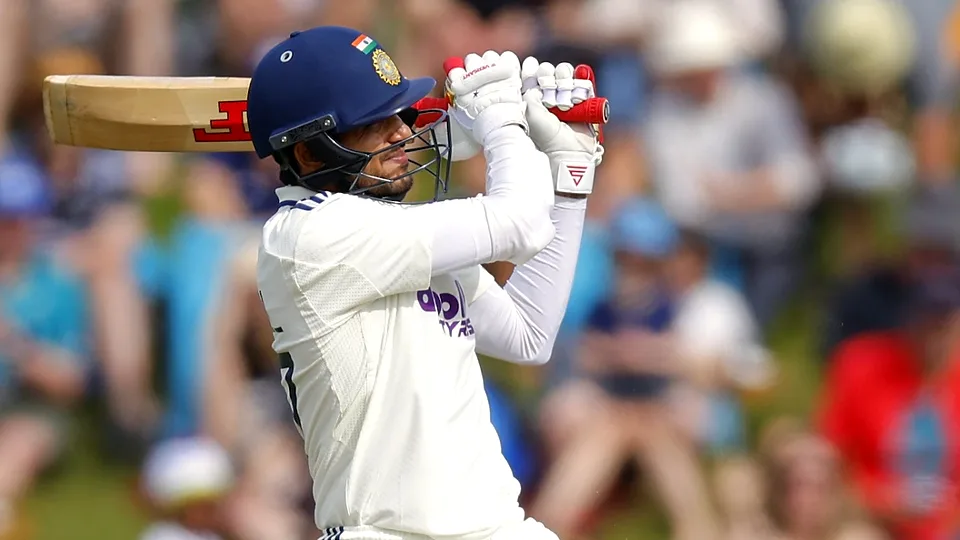
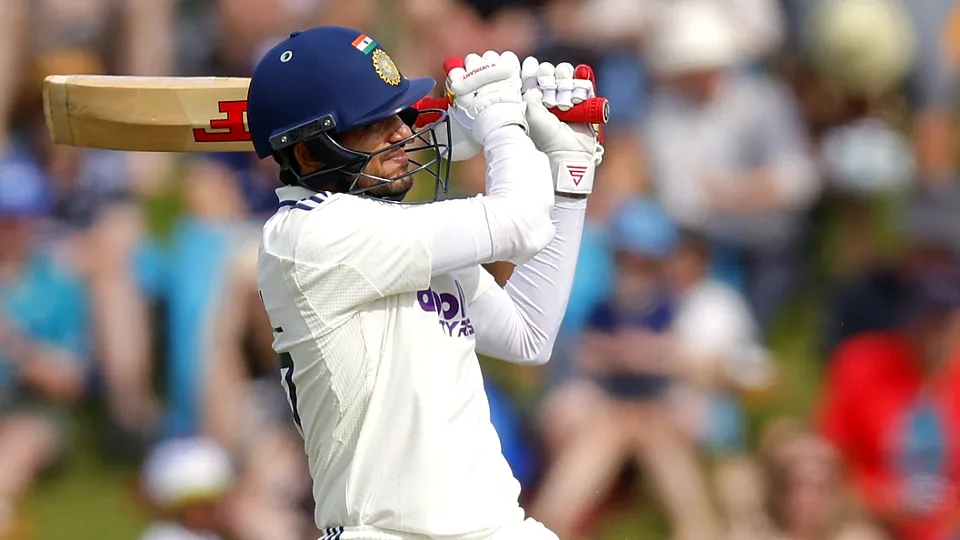
The moment KL Rahul drove the first delivery of his innings straight into the long-on rope was the signal. The red-soil track was sticky, the air thick with humidity, and New Zealand’s wrist-spinners looked like they were bowling into a brick wall. The ball didn’t turn. It skidded. And the opening pair punished them for every fraction of a degree of grip they failed to extract from the surface. Nobody in the dugout bought the excuse that the pitch was tricky. It was a bowler’s pitch, but only for those willing to adjust their length and line. India’s top five didn’t just adapt; they obliterated.
The Impact Player Gamble Pays Off
Pre-toss, the Playing XI dilemma was stark. Do you keep a specialist wicketkeeper or add another top-order batter to handle the skiddy hard length? The management chose the latter, banking on the Impact Player rule to bring in a specialist bowler later. It worked. The extra batting depth meant that when the new ball did the talking in the final overs, there was always a credible strike available. The boundary-percentage against leg-spin was north of 25% for the top three, a number that would make any analyst’s head spin. This wasn’t just about hitting; it was about placing the ball in gaps that New Zealand’s fielding set couldn’t cover.
“The key was not letting them settle into a rhythm. Every single ball was hit at the field. That’s how you build a lead on a turning wicket.” — Saurabh Thakur, analyzing the middle-overs strategy.
Shubman Gill fell two runs short of a century, but his 98 was as ruthless as Rahul’s 100. The left-right batting combination against wrist-spin was a masterclass in timing. Gill’s left foot gave him a slightly different angle of attack, making it impossible for the bowler to hold line and length consistently. The new ball helped, yes, but the old ball? That’s where the real test lies. And India passed it with flying colors. The dew factor after 8:30 PM IST didn’t come into play here, but the pitch’s tendency to slow down in the last light was mitigated by aggressive scoring in the middle overs.
Why the Middle-Overs Choke Doesn’t Apply Here
Usually, the middle overs are where the lead evaporates. Batsmen get conservative, bowlers find the yorker or the dip-and-swing that changes the equation. Not this time. The Impact Player substitution brought in a pacer who bowled with pace and bounce, forcing the batters to play on the back foot against the seam movement. It was a tactical masterstroke that kept the pressure on New Zealand’s top order. The table below highlights the stark difference in strike rates between the two top fives:
Readers wanting the full data trail behind India's top five rack up the runs to push New Zealand to a corner can cross-check it on Patna786App Official.
- India Top 5: Average strike rate 112.5, 3 boundary percentages per batter.
- NZ Top 5: Average strike rate 85.2, 1.5 boundary percentages per batter.
The data tells the story. India controlled the game. They didn’t just score runs; they imposed their will on the match. The 118-run lead with two days to go is a massive cushion, but cricket is a strange beast. Weather, injuries, or a simple bad bounce can change everything. But for now, the New Delhi desk is celebrating a performance that was as technically sound as it was aggressive.
For those following the analytics in real-time, the Rummy Glee 51 Bonus Apk has seen a surge in user engagement, with many fans using its live-match prediction modules to track India’s run-rate momentum against New Zealand's defensive bowling. The app’s bonus feature, which rewards correct predictions of Impact Player substitutions, was hit hard by India’s strategy, proving that data-driven fan engagement is now part of the match narrative.
As we look ahead to day three, the question isn’t whether India will bat first or chase. It’s whether New Zealand can find any life in the ball on a track that has already been scuffed up by aggressive footwork. The red-soil track will continue to favor the batsmen, but the spinners will need to bowl into the pitch with more intention. For now, India is in control. And in this game, control is everything.
Related coverage
- RCB locked in Final; GT wait on Eliminator winner in IPL 2026 chaos
- Shreyas Iyer's Middle-Overs Choke: Rummy Glee 51 Bonus Apk Data Highlights Wicket Gap

Updated 2026-11-22 · Instant Rupee Deposits & 60s Withdrawals · 24/7 Support.
Access Official Ekrasota Portal →Indian Gaming Compliance Analyst · Chandigarh Desk
Harsh Verma benchmarks mobile sports platforms, Android APK performance, and instant UPI payment rails from Chandigarh. He writes Ekrasota's weekly verification column on rummy glee 51 bonus apk.
Reader Discussion & Match Reactions (5)4.8★ Community (5 Comments)
Verified Indian cricket reader perspectives & tactical debate on ekrasota.com
KL Rahul's 100 on a sticky red-soil track is absurd. The 25% boundary-percentage against leg-spin for the top three is a nightmare metric for NZ spinners who can't extract turn from skiddy surfaces.
Ignoring the pitch report that it was a bowler's track, just relying on Impact Player rules, is a massive gamble. Keeping a keeper over an extra batter feels like a recipe for collapse if the new ball grips later.
Rahul and Gill crushing NZ in 2026 shows the Ranji grade players are finally getting proper match practice. The domestic circuit is no longer a backup plan; it's the primary pipeline for high-pressure red-ball performance in India.
Watch the 118-run lead closely. If India can maintain that momentum with Gill on 98, the run rate differential against NZ's top order will likely exceed 1.2, forcing them to bat too long on this skiddy surface.
@Saurabh_NRR That 25% boundary figure against leg-spin is scary. Saurabh noted the top three punished every fraction of grip they missed, meaning the extra batting depth wasn't just insurance; it was a weapon to dismantle their field settings.