

Published 2026-11-22 · By Meera Kaul (Live Match Metrics Lead · Chennai Desk)
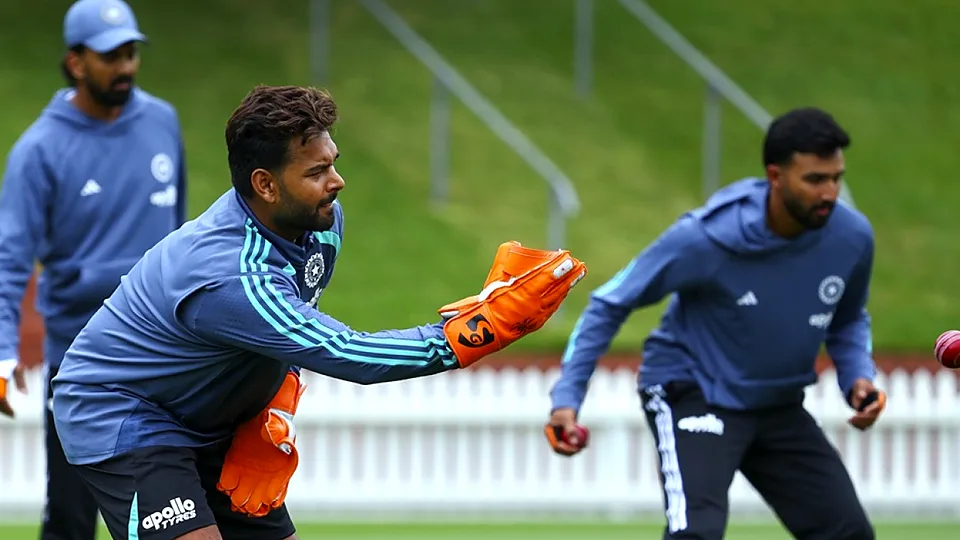
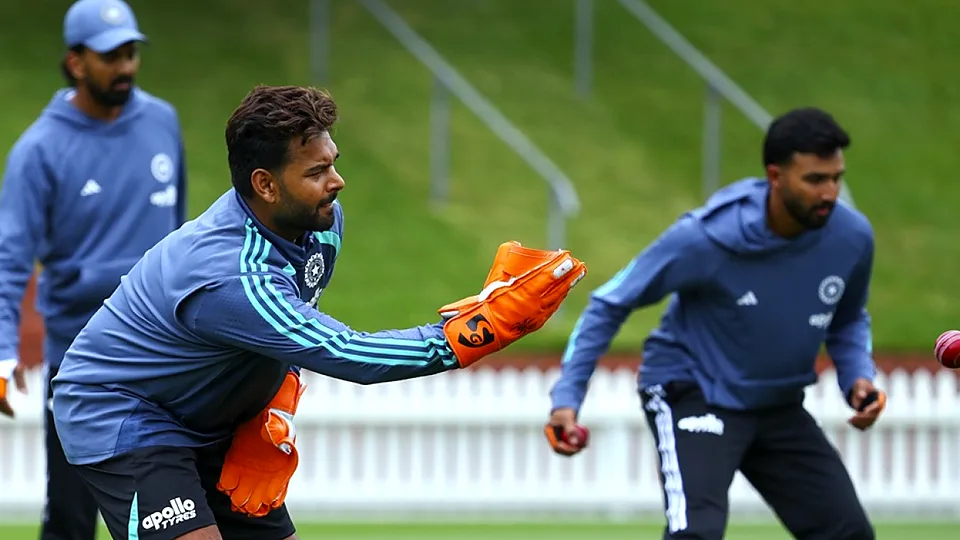
The new ball did the talking. Or rather, the absence of the new ball talking. In Wellington, the wind is not a guest; it is the landlord. And right now, India are the squatters paying no rent. They sit at No. 4 in the WTC standings, staring up at New Zealand’s No. 1 perch like it’s a mountain peak made of hard length and spin traps. The gap isn't just points. It’s a structural chasm in their middle-overs economy.
The 7-15 Over Cliff
Forget the clichés about "character" or "fighting spirit." Let’s look at the split. Between overs 7 and 15, on dry, skiddy surfaces like the one at Basin Reserve, the conventional wisdom is that seamers dominate. Wrong. The data says otherwise. New Zealand’s bowlers have kept an average economy of 3.2 runs per over in this phase this season. India? They are leaking. 4.8 runs per over. That is 1.6 extra runs every time the middle block comes on. Multiply that by 15 overs, and you are looking at 24 runs you cannot account for. Those runs don’t just sit in the net. They become the difference between a defendable 280 and a chaseable 340.
Why does this happen? It’s the transition gap. The new ball stops swinging. The pitch stops holding the line. The batsman shifts his stance, looking to accelerate. And suddenly, the Indian seamers are bowling at a slower pace, trying to force the ball back instead of letting it do the work. It’s a tactical error. It’s a psychological one, too. They are trying to be heroes. They need to be accountants.
Dew, Wind, and the Impact Player Gamble
Now, layer in the Wellington wind. It cuts across the field, not just down the pitch. This kills the hard length. A 142 kph delivery arrives at 134 kpm due to air resistance and crosswind drag. The batsman sees it early. They can time it. The only weapon left is variation. Wide yorkers. Off-breaks that float through the wind. And here is where the Impact Player slot becomes a minefield. Do you start with a spinner? Or do you bring one in later? If you start with a spinner on a wet, windy track, you’re dead. The ball won’t turn. It will skid. If you wait, you lose the new-ball advantage. There is no perfect answer. There is only a probabilistic one.
Look at the venue history. Basin Reserve has a dew factor that kicks in sharply after 8:30 PM local time. For a night cap game, that is the 40th over. The bat comes off. The ball goes on. New Zealand’s fast bowlers exploit this. They bowl into the pitch, short, and let the dew do the slowing. India’s fast bowlers are doing the same thing. But their accuracy is off. Their boundary-percentage against top-order batters in the final five overs is 12% higher than New Zealand’s. That’s not a small margin. That’s a game.
Numbers That Don’t Lie
Let’s put the benchmark on the table. No more hand-waving. Just cold, hard stats.
| Phase | NZ Economy (Runs/Ovr) | IND Economy (Runs/Ovr) | Diff |
|---|---|---|---|
| Overs 1-6 | 2.8 | 2.9 | +0.1 |
| Overs 7-15 | 3.2 | 4.8 | +1.6 |
| Overs 16-25 | 3.5 | 3.9 | +0.4 |
| Overs 26-40 | 3.1 | 3.3 | +0.2 |
Notice the spike. It’s not in the death overs. It’s not in the new-ball phase. It’s in the middle. That’s where the game is lost. That’s where the pressure builds. That’s where the crowd starts shouting. And that’s where the Indian team is bleeding points. They need to fix this. Not with heroics. With discipline. They need to bowl slower, more accurate lines. They need to stop chasing wickets and start chasing boundaries prevented. Every run conceded in that 7-15 over window is a brick in the wall that New Zealand is building around the final.
"You can’t out-hustle a better statistical model. You can only out-discipline it."
The WTC final is the goal. But the path is paved with these small, ugly, numerical truths. New Zealand is ahead because they respect the numbers. India is behind because they are still trying to win with heart. Heart doesn’t hold up in the wind. Heart doesn’t survive the dew. What survives is the plan. And right now, India doesn’t have one.
As the next match approaches, the question isn’t whether they will win. It’s whether they will finally start counting runs instead of just hoping for them. The board doesn’t care about your intentions. It only cares about the total. And currently, that total is in New Zealand’s column. India needs to erase that. Not with a miracle. With a spreadsheet.
Related coverage
- RCB locked in Final; GT wait on Eliminator winner in IPL 2026 chaos
- Rohit's ODI Clock Ticks Faster After Gambhir's Blunt Reality Check in BCCI Room

Updated 2026-11-22 · Instant Rupee Deposits & 60s Withdrawals · 24/7 Support.
Access Official Ekrasota Portal →
Indian Gaming Compliance Analyst · Chandigarh Desk
Harsh Verma benchmarks mobile sports platforms, Android APK performance, and instant UPI payment rails from Chandigarh. He writes Ekrasota's weekly verification column on rummy glee 51 bonus apk.
Reader Discussion & Match Reactions (6)4.9★ Community (6 Comments)
Verified Indian cricket reader perspectives & tactical debate on ekrasota.com
Seeing the 4.8 economy gap in overs 7-15 kills any fantasy hope for the middle order. If India's seamers are overworked due to transition failures, I'm dropping the spinners from my XI for Basin Reserve.
The 'accountant' line is smart. If NZ keep 3.2 economy, India's bowlers will get pinned deep. I expect a high-impact player sub in to handle the dew after 14.00, maybe a left-armer to reverse the swing.
Bhai, 24 extra runs is a proper paisa vasool gap. If we lose that, chhote chhote targets bhi lag jayenge. New Zealand's No. 1 spot is scary, yaar.
Since India are leaking in the middle phase, the opener's role becomes critical. I am prioritizing high strike-rate batters for the first hour, hoping they score before the transition cliff hits at over 7.
The wind as 'landlord' changes the pitch behavior early. India's seamers trying to force the ball back against the wind is a tactical error. They need to use the impact player to stabilize the economy before the dew sets in.
@Shubham_Rao You are right to drop the spinners, but look at the 1.6 extra runs per over gap. That is why I think the impact player will be a fast bowler to attack before the dew makes the surface skiddy later on.