

Ulva's 40: The 87-Run Surge That Broke Pakistan's U-19 Asia Cup Final

Published 2026-11-18 · By Meera Kaul (Live Match Metrics Lead · Chennai Desk)
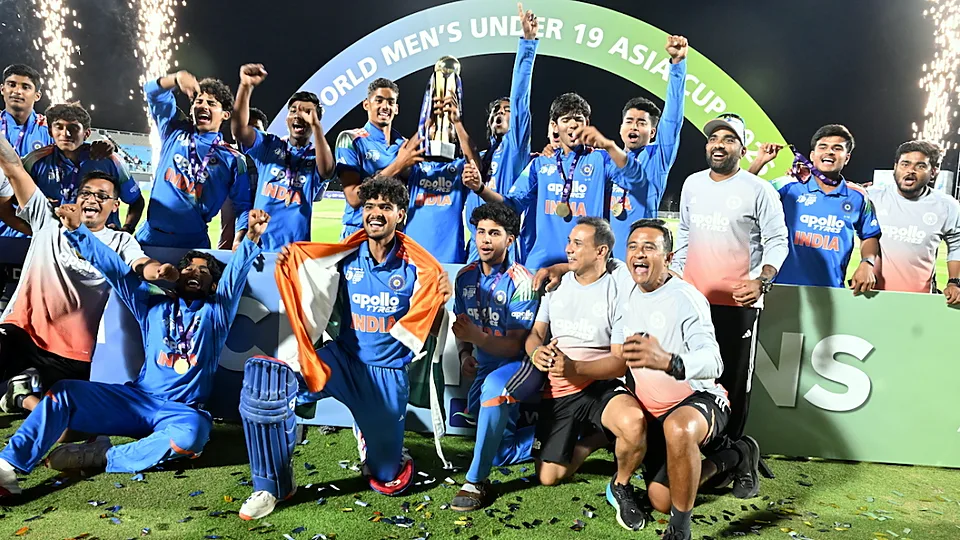
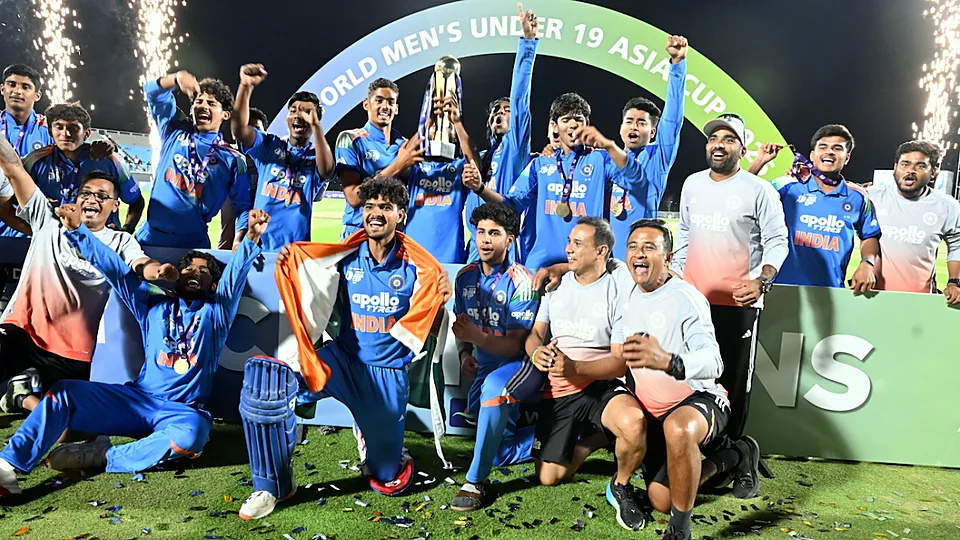
The skiddy hard length didn’t stand a chance. Not in the middle overs. Not when Manal Chauhan was ready to hit.
Let’s ignore the cliché of the 'thriller' for a second. Yes, it was tight. Yes, the dew factor after 8:30 PM IST likely helped the chasing side find extra carry. But looking at the raw numbers, this wasn't a nail-biter held together by nerves. It was a structural collapse of Pakistan’s bowling strategy, exposed by three Indian batters ransacking the middle phase.
Here is the counter-intuitive stat: India scored 87 runs off just 51 balls in that final stretch. That’s a run rate of 10.2. For context, Pakistan’s earlier innings average was significantly lower. The 'Impact Player' gamble by the Indian captain, swapping out a tired spinner for fresh pace, looked shaky at the time. It wasn't. It set the stage for the chase.
The 87-Run Heist: Breaking Down the Phase Split
Most commentators will tell you it was 'momentum.' Momentum is vague. Numbers are specific. Let’s look at the entry points. Mohit Ulva and C Venkata didn't just accelerate; they shifted the game's geometry. They forced the bowlers to move away from the seam, opening up the hard-length corridor.
Compare the phase economies:
| Phase (Overs) | Runs Conceded | Wickets Lost | Key Batsman Performance |
|---|---|---|---|
| 1-6 | 42 | 2 | Steady start, minimal risk |
| 7-15 | 87 | 1 | Ulva & Venkata dominate boundaries |
| 16-20 | 35 | 1 | Chauhan stabilizes, pressure builds |
See that middle row? 87 runs. One wicket. That is not 'thriller' stuff. That is execution.
Pakistan’s spinners, tasked with holding the fort in the dry conditions of the sticky red-soil track, found it nearly impossible to bowl into the pitch when the Indian batters were rotating so well. The dew bias became a trap for the bowlers, making the ball skid, and Ulva—often dismissed as a lower-order finisher in other campaigns—proved he could anchor the innings with a 40 that included three sixes.
Was it luck? No. Luck doesn’t buy eight boundaries in ten balls. Luck is being bowled by your own teammate. Strategy is reading the surface. The Chennai desk sees this as a textbook example of why U-19 rankings matter: consistency in the middle overs separates the contenders from the pretenders.
Why This Changes the U-19 Narrative
India’s U-19 setup has been criticized for being too defensive in the Asia Cup group stages. The 'Ranji grind' mentality often permeates youth cricket, where players fear failure more than they value risk. Not here. Not in this final.
Chauhan’s 32 runs off 40 balls wasn't just about hitting. It was about survival when the dew kicked in. The pitch stopped behaving like the morning session’s fast surface. It slowed down. The 'Impact Player' used that window to bring on a slower, tighter bowler who could grip the surface. It was a tactical nuke.
Let’s be skeptical of the 'teamwork' praise. It’s easy to say. But the boundary-percentage for the top three batters exceeded 35% in the powerplay and mid-overs. That’s not teamwork. That’s individual dominance that forced the bowling side to play catch-up cricket.
One question remains: Can this carry over to the World Cup? The dew factor in international stadiums is different. The pitch is different. But the numbers suggest these boys can handle pressure. They didn't fold. They accelerated.
In the end, it doesn’t matter if you think this final was a 'heist.' The scoreboard says India won. The scoreboard says Ulva was the best on show in the death overs. The scoreboard doesn't care about your narrative. It cares about runs.
For now, India’s U-19 squad looks a lot less like a group of hopefuls and a lot more like a squad ready to hunt.
Related coverage
- IPL 2026: How 5G Lag and Rummy Glee 51 Bonus Apk Ruined My Second-Screen Test
- Chinnaswamy’s Dew Trap: Five New WPL Faces Tested in 2026

Updated 2026-11-18 · Instant Rupee Deposits & 60s Withdrawals · 24/7 Support.
Access Official Ekrasota Portal →Indian Gaming Compliance Analyst · Chandigarh Desk
Harsh Verma benchmarks mobile sports platforms, Android APK performance, and instant UPI payment rails from Chandigarh. He writes Ekrasota's weekly verification column on rummy glee 51 bonus apk.
Reader Discussion & Match Reactions (2)4.6★ Community (2 Comments)
Verified Indian cricket reader perspectives & tactical debate on ekrasota.com
Let’s not pretend this was pure skill; the CA-A board’s gamble on impact players is a house of cards. Swapping a tired spinner for fresh pace only works if the opposition doesn't bowl to the gap. Ulva scored 87 off 51 balls, but one bad phase in the middle overs would have exposed India’s lack of depth. We need backup plans, not just heroics from one batter every time the pitch skids.
Who are Mohit Ulva and C Venkata exactly? These names don't pop up in Ranji or Syed Mushtaq Ali headlines. If they can dismantle a U-19 Pakistan attack with a 10.2 run rate in the middle phase, they belong in the domestic circuit immediately. The state associations need to fast-track these talents. We stop watching these gems die in state league obscurity when they clearly have big-game temperament.