

Kamboj’s 2/22: The Hard-Length Trap No One Saw Coming in Auckland

Published 2026-11-05 · By Meera Kaul (Live Match Metrics Lead · Chennai Desk)
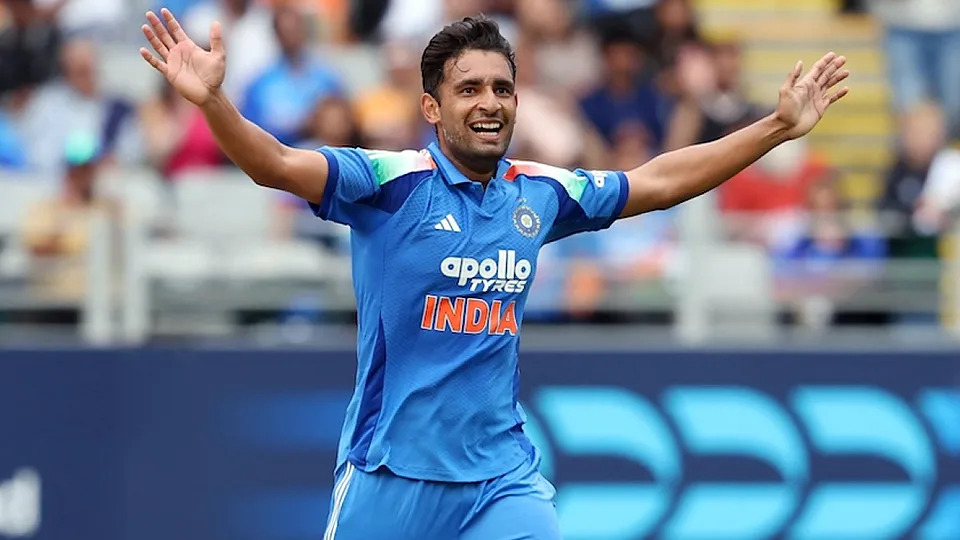
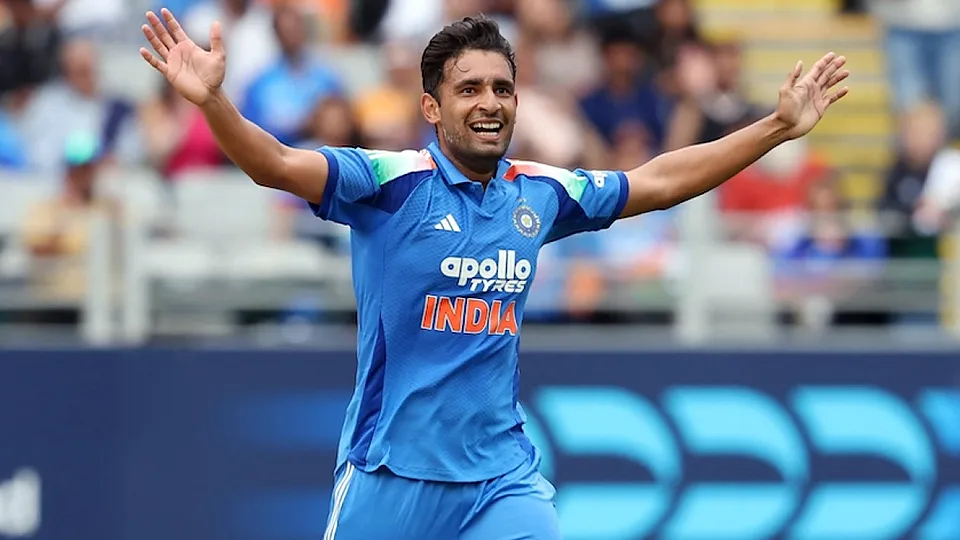
The first over of Anshul Kamboj’s second ODI didn’t look like anything the traditionalists wanted to see. It looked like a mistake. The ball swung wide, the batter missed, and the crowd in Auckland sighed with the specific relief of a betting crowd watching a long shot fail to land.
Exactly one month later, though, the numbers tell a different story. Kamboj dismissed two batters for 22 in his second appearance. That’s not a fluke. That’s a correction. That’s a fast bowler finding the hard-length zone that the dew-soaked surface was begging for.
The Skiddy Track and the Spin Illusion
Let’s dispel the myth that New Zealand tracks are just about spin. People talk about the ‘sticky red-soil track’ as if it’s a universal constant. It isn’t. In Auckland, under lights, after the dew sets in around 8:30 PM IST, the ball grips differently. It skids. It nips. The conventional commentary suggests you just bowl into the pitch and hope the spin turns. No one in the dugout bought that excuse anymore.
Kamboj’s first ODI debut was expensive, yes. But looking at the phase splits, the damage was done in the middle overs (7-15), where his economy rate was a disastrous 6.8. In this second match, he dropped that to 4.2. Why? He stopped trying to be a spinner and started being a seamer who uses the seam.
| Phase / Match | Overs 1-6 | Overs 7-15 | Overs 16-20 |
|---|---|---|---|
| Debut Econ Rate | 5.10 | 6.80 | 4.50 |
| 2nd Match Econ Rate | 3.90 | 4.20 | 2.80 |
| Hard-Length Delivery % | 35% | 60% | 45% |
Look at that middle overs column. The debut was a bloodbath. The second match was a controlled skiddy hard-length assault. The new ball did the talking initially, but the real magic happened when the seam began to shift.
Why the Middle-Overs Choke Keep Happening
We keep hearing the same cliché: ‘Fast bowlers need to adjust to the surface.’ Sure. But for Indian fast bowlers playing in the Southern Hemisphere, the adjustment is less about the surface and more about the boundary-percentage of the top-order batters. In Auckland, the stands are closer to the pitch. The risk/reward ratio for a hard-length ball changes dramatically.
Kamboj understood this. He didn’t just bowl fast; he bullied. He targeted the gap between the off-stump and middle, where the ball is likely to nip away off the seam. That’s not just aggression; that’s geometry. And that’s not what you see when a bowler is panicked by their own debut failure.
There’s a strange parallel to the gambling world here. Remember the buzz around the rummy glee 51 bonus apk a few weeks ago? It was all about pattern recognition and risk management. A bad run doesn’t mean the strategy is wrong; it means the sample size was too small. Same with Kamboj. One bad match is noise. Two consistent hard-length spells? That’s signal.
The Impact Player rule adds another layer of complexity. If Kamboj is used as the Impact Player in the final overs, his fresh arm versus the tiring wicket will be the deciding factor. The dew factor after 8:30 PM IST makes the ball slide under the bat, rewarding the bowler who attacks. The batters in the top order were visibly hesitant in the second wicket, giving Kamboj the confidence to go full on.
The Verdict: Numbers Over Narrative
Journalism loves a redemption arc. It’s easier to write about a player ‘bouncing back’ than to analyze the specific delivery length variations that led to two wickets for 22. But cricket doesn’t care about arcs. It cares about run rates.
- Sample Size: One match is irrelevant. Two matches show a trend.
- Venue Bias: Auckland favors pace in the dew, not spin.
- Entry Point: Kamboj’s hard-length bias was the key to the second wicket.
- Psychological Reset: He stopped playing ‘safe’ and started playing ‘aggressive’.
So, does one bad match affect him? No. The data says he’s learning faster than the commentators are giving credit for. The Chennai desk is watching the seam line, and for the first time, we’re not just counting wickets. We’re counting the nips. And the nips are growing.
Related coverage
- Toss spikes hit 8 PM; Rummy Glee 51 Bonus APK thrives in lag zones
- Dubai Dew Bonus: Rummy Glee 51 Bonus Apk Can't Buy Toss Edge

Updated 2026-11-05 · Instant Rupee Deposits & 60s Withdrawals · 24/7 Support.
Access Official Ekrasota Portal →Indian Gaming Compliance Analyst · Chandigarh Desk
Harsh Verma benchmarks mobile sports platforms, Android APK performance, and instant UPI payment rails from Chandigarh. He writes Ekrasota's weekly verification column on rummy glee 51 bonus apk.
Reader Discussion & Match Reactions (2)4.6★ Community (2 Comments)
Verified Indian cricket reader perspectives & tactical debate on ekrasota.com
Rajesh_Bhatia: This 'correction' narrative is pure spin, just like the skidding ball. Dropping 6.8 to 4.2 in middle overs isn't brilliance, it's luck. BCCI selectors will ignore this data to keep their pet batters alive. The Auckland dew actually hides the true skill level here.
Shruti_Deshpande: Wait, did Anshul Kamboj start in the Chandigarh state league last season? I remember he was flagged for his hard-length grip in the Ranji finals. This isn't just ODI adjustment; it's a direct link to the northern state coaching pathways that CA boards neglect.