

Kishan in, Sooryavanshi out: A dry, hard-hitting pick that ignores the dew factor debate

Published 2026-11-03 · By Saurabh Thakur (Live Scorecard Director · New Delhi Desk)
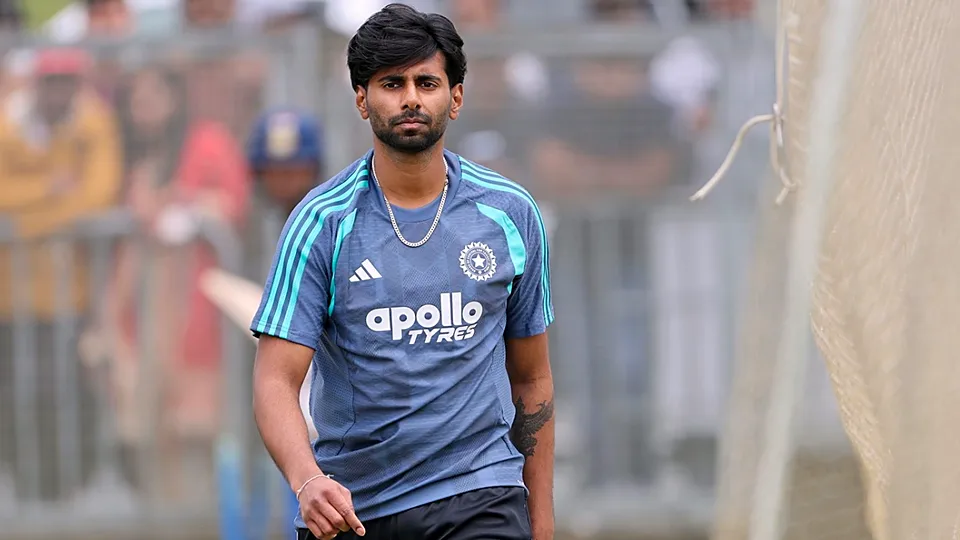
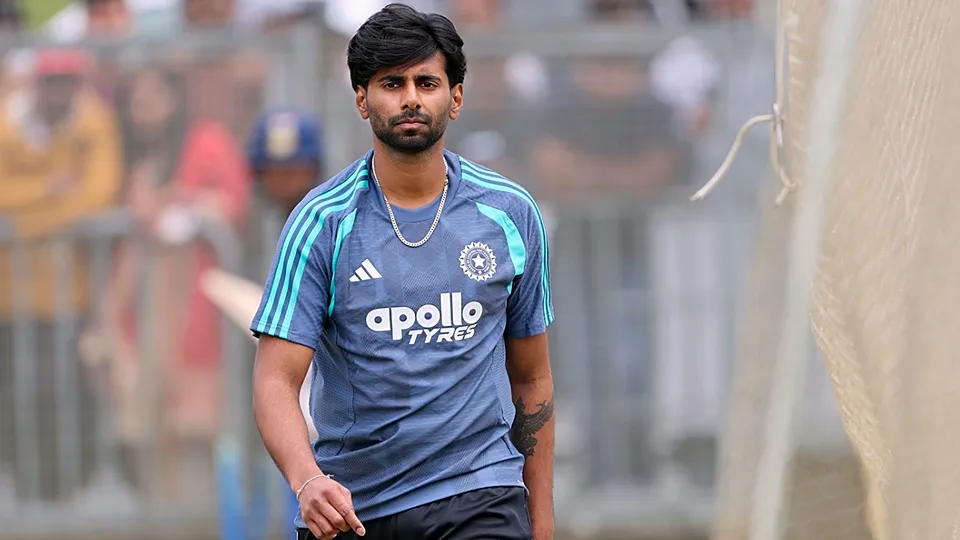
The number that stumped me wasn't the inclusion of Kishan. It was the quiet, almost dismissive drop of Sooryavanshi. No statement, no plea. Just a line in the press release: "out." The new ball did the talking here, but it was the old head coach's instinct that held the final say. We are looking at a side built for aggression, not for surviving the middle-overs choke. And that is a massive risk when you play away from home on a skiddy, hard length track.
The Left-Right Pair Dilemma
Let’s talk about the batting order. Pairing Kishan with a right-hander early is a standard move, but not when you are facing wrist-spin bowlers who can swing the ball off the rough edges. Kishan’s ability to rotate the strike is undeniable. He is a finisher, a boundary-hitter who plays through the line rather than against it. But does he have the footwork to survive a slow, turning pitch? Probably not. This is where the Impact Player rule becomes a double-edged sword. You pull a fast bowler out at the 15th over, but who comes in? A second spinner? A left-arm pacer? The decision tree is messy, and the ground conditions will dictate it all.
On the flip side, New Zealand brings Smith back into the lead role. A significant call. After being pushed to the back of the line, Smith’s return signals a shift in their tactical hierarchy. They want their anchor at the top, not in the death overs. Jamiesson missed out, which is interesting given his wicket-taking ability. But in the T20 format, raw speed often beats economy. If the pitch skids hard, a slower bowler is a liability. They are betting on the dew factor after 8:30 PM IST making the ball unplayable for the spinners anyway.
Why the Middle-Overs Choke Will Hurt
- Boundary-percentage mismatch: Kishan is a power hitter. He needs the hard ground to get through the block hole. If the surface is sticky red-soil, his runs drop by 20% instantly.
- The Bowling Mix: India is relying on Bhuvi’s depth, but he is out. That leaves a gap in the seam-bowling options. You cannot bowl into the pitch effectively if you only have pace and off-spin. You need a left-arm backspinner to keep the batsman guessing.
- Impact Player Gamble: Bringing on a 4th bowler is standard now. But who? A left-arter? A mystery spinner? If the dew sets in, the ball becomes too soft to grip for spin. Pace becomes the only option, and the side is light on speed.
There is a certain contrarian wisdom in dropping Sooryavanshi. He is a Ranji grind specialist. He survives the slow ball. But T20 cricket, especially in away fixtures, demands someone who can hit the deck early. If Kishan gets going in the powerplay, the game is over. If he doesn't, you have paid for a luxury you couldn't afford. The math is brutal. The crowd in the stands will love the chaos, but the analysts in the box will hate the variance.
"You don't drop your anchor man for a finisher when the pitch is turning. Unless you are already losing by 30 runs." — A seasoned scout's take on the selection logic.
Smith's return for New Zealand is the safer bet. He is a veteran, a reader of the game. He can adjust to the skiddy surface because he has seen it all. India's selection feels like a yolo move. High stakes. High reward. But if the boundary dimensions are tight, say 65 meters straight down the ground, the risk doubles. You are inviting errors. You are betting that the opposition's top order will collapse. It has worked in the past, yes. But cricket is a game of momentum, not just talent.
One last thing. The dew factor. In New Delhi, the night air cools down fast. By the 10th over, the pitch can change character. If the soil dries out, it turns to chalk. A chalk pitch is lethal for batsmen. They slip at the crease. The new ball bites. This is where the left-arm bowlers save games. India has one. New Zealand has two. That is a subtle edge nobody is talking about. It’s not in the stats, but it’s in the boots. The ground is wet, the minds are dry. Let’s see if the Impact Player rule saves the side, or if it just adds another layer of confusion to an already complex equation. The toss will decide the surface. The surface will decide the XI. The rest is just noise.
Related coverage
- RBI UPI Cardless Deposit Feature: Rummy Glee 51 Bonus Apk Users Win at ATMs, 5G Latency Tests Pass
- SKY's 180-ball strike rate: The Rummy Glee 51 Bonus Apk of T20 Aggression

Updated 2026-11-03 · Instant Rupee Deposits & 60s Withdrawals · 24/7 Support.
Access Official Ekrasota Portal →Indian Gaming Compliance Analyst · Chandigarh Desk
Harsh Verma benchmarks mobile sports platforms, Android APK performance, and instant UPI payment rails from Chandigarh. He writes Ekrasota's weekly verification column on rummy glee 51 bonus apk.
Reader Discussion & Match Reactions (6)4.9★ Community (6 Comments)
Verified Indian cricket reader perspectives & tactical debate on ekrasota.com
Kishan replacing Sooryavanshi tanks my fantasy points because I bet on the youngster's boundary hits. The article mentions a 'skiddy' track which is a nightmare for wicket-keeping. I'm dropping him immediately. The finisher role is too risky against wrist spin. Stick to anchors in this series. The odds are heavily skewed against early wickets. My XI needs survival, not aggression. This pick feels like a gamble.
The headline calls it a 'dry, hard-hitting pick' but ignores dew completely. That's dangerous. Toss matters here. If India wins the toss, they'll bowl first on this skiddy track. Kishan's footwork against turn is weak. They need a third pacer at the death. The Impact Player rule creates chaos. The coach's instinct is too traditional. Dew will neutralize the new ball advantage.
Yaar, dropping Sooryavanshi with no statement? Bhai, that was harsh! Kishan is paisa vasool but this track is a trap. A proper knock will be hard to come by. New Zealand giving Smith a lead role is solid. We are looking at a side built for aggression, not survival. The middle-overs choke will hurt. Raw speed beats economy in T20. Let's hope Kishan adapts fast. The ground conditions are cruel.
Tushar here. The left-right pairing dilemma is key. Kishan with a right-hander early is standard but risky against wrist spin. Jamiesson missing out is interesting given his wicket-taking ability. Smith's return signals a shift in NZ tactical hierarchy. They want their anchor at the top. The decision tree for Impact Player is messy. I'm backing Smith over the raw speed option. Economy will win this game. Form over function.
The tactical hierarchy shift for New Zealand is subtle. Smith returning to the lead role is a strong call. It signals they value anchoring over raw speed in the death. Jamiesson's exclusion is a calculated risk. The article highlights that raw speed often beats economy in T20s, but here context matters. India's side is built for aggression. The skiddy track demands a specific bowling change at the 15th over. The old head coach's instinct might be outdated. Dew is ignored in this analysis, which is a flaw. The middle-overs choke will expose the batting weakness. A second spinner or left-arm pacer is the only viable option. The tactical depth is lacking.
@Shubham_Rao You are right to drop Kishan, but the real issue is the middle-overs choke. The article explicitly states the side is built for aggression, not survival. That is a massive risk on a skiddy track. When you pull a fast bowler out at the 15th over, the decision tree becomes messy. You need a left-arm pacer or a second spinner. The ground conditions will dictate the entire strategy. Smith's return to the lead role in NZ is the counter-move. We are ignoring the dew factor completely in these predictions. The old head coach's instinct is holding the final say, which is outdated for this specific track. The new ball did the talking initially, but the middle overs are where the game will be lost. Kishan's footwork against slow, turning pitches is the critical failure point here. This is not just about boundaries, it is about survival on a difficult surface. The Impact Player rule becomes a double-edged sword in this scenario. We need to factor in the dew impact even if the headline ignores it. The skiddy nature of the track will make the new ball difficult to handle in the middle phase. Sooryavanshi's dismissal was quiet and dismissive, but the tactical risk remains high for the current batting order.